From Blueprint to Reality with Excellence

CASE STUDY: Bxpose Residence | Pool Structural Engineering

The Problem

Six Feet From a Canal

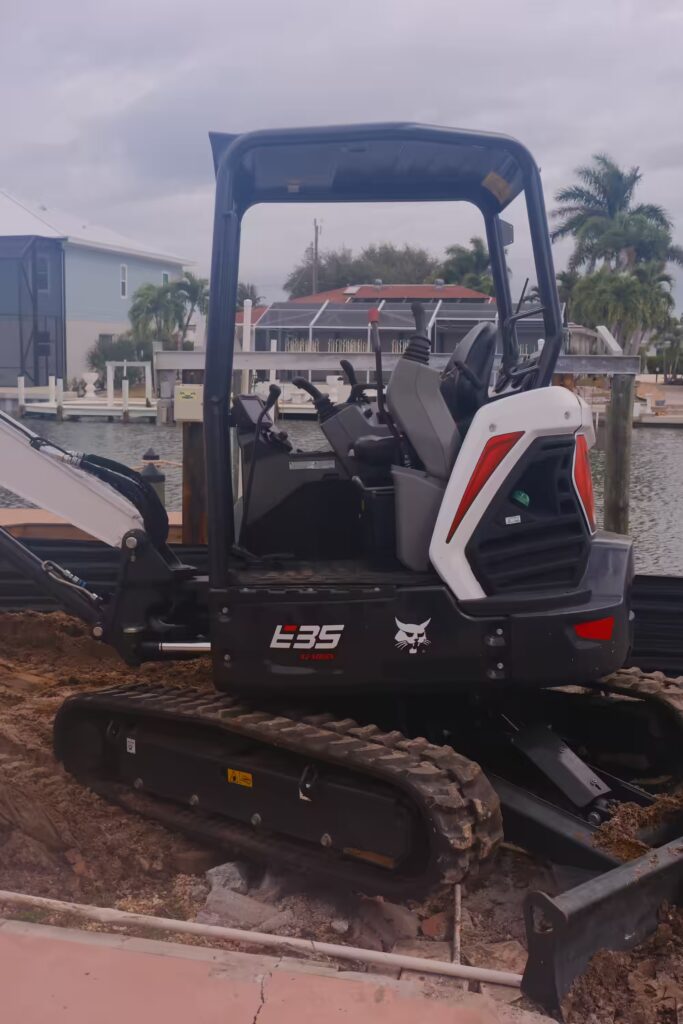
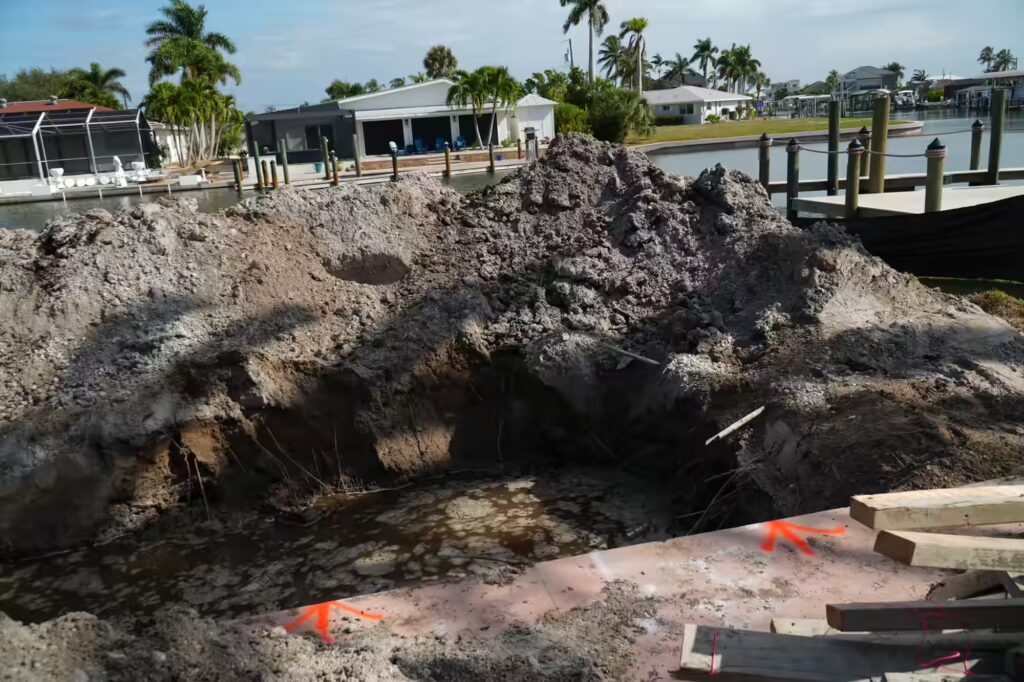
The homeowner wanted a pool. The property sits six feet from a canal.

Think of a pool as a giant concrete bathtub buried in the ground. When it is full, the water weight keeps it in place. When you drain it — for maintenance, resurfacing, whatever — the only thing holding it down is its own weight and the soil around it.

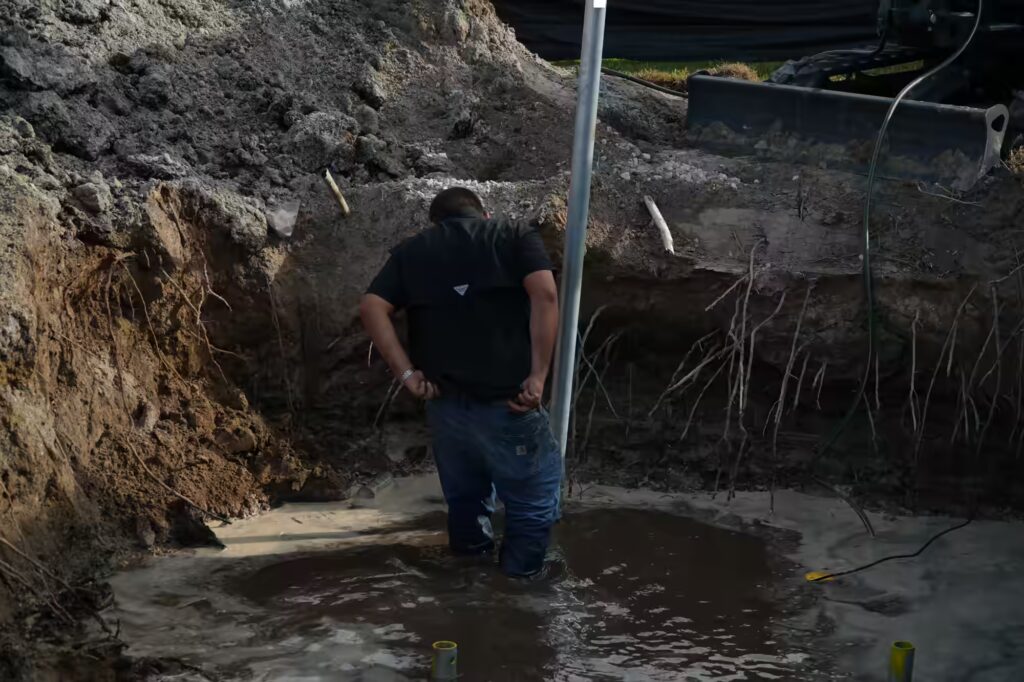
Six feet from a canal, the water table is permanently high. When that pool is empty, the groundwater pushes up against the shell. That is hydrostatic pressure. If the pool is not built to handle it, the shell lifts. It cracks. Sometimes it comes right out of the ground.

This happens in South Florida. It is not theoretical.

The pool contractor on this job knew they needed a foundation plan that could anchor the shell against that uplift. They could not produce one. We could.

The Solution

Eight Piles. The Pool Does Not Move.

We were brought in for one thing: make sure this pool stays where you put it.

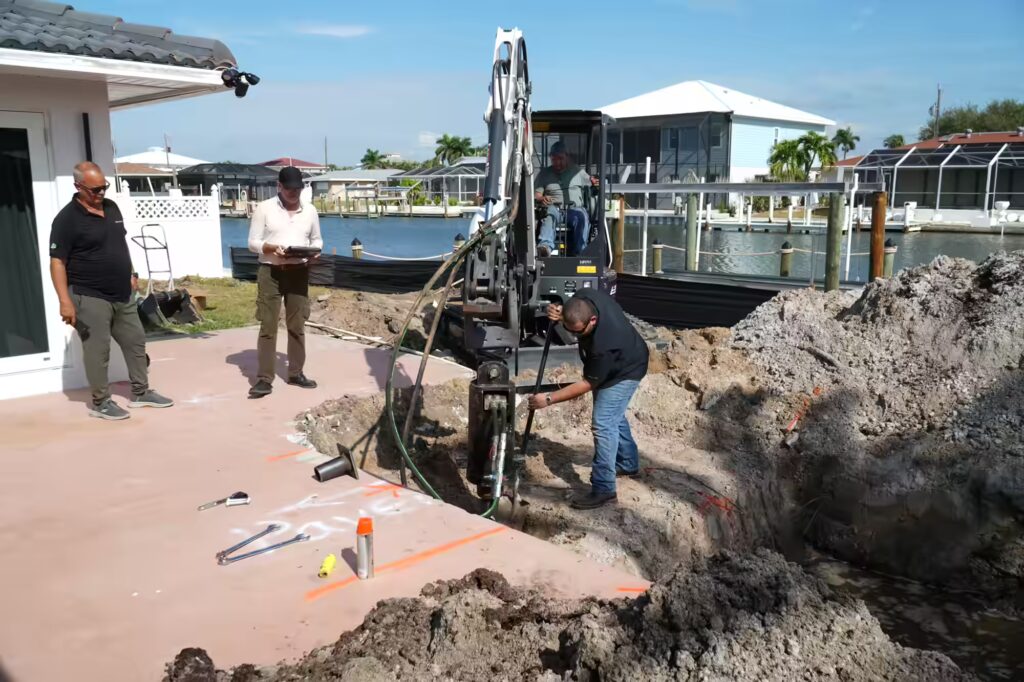
We designed a helical pile foundation — eight steel anchors driven into stable soil below the water table, locking the shell down.

A typical pool in South Florida has zero piles. This one has eight. That is the difference.

Step 1: Assessment & Engineering

We looked at the site, documented the canal proximity, and calculated the uplift risk.

Then we produced a foundation plan — the exact location, depth, and load capacity of each pile within the pool footprint.

This is the document that no pool contractor produces. It is what makes the rest of the project possible.

Step 2: Helical Pile Installation

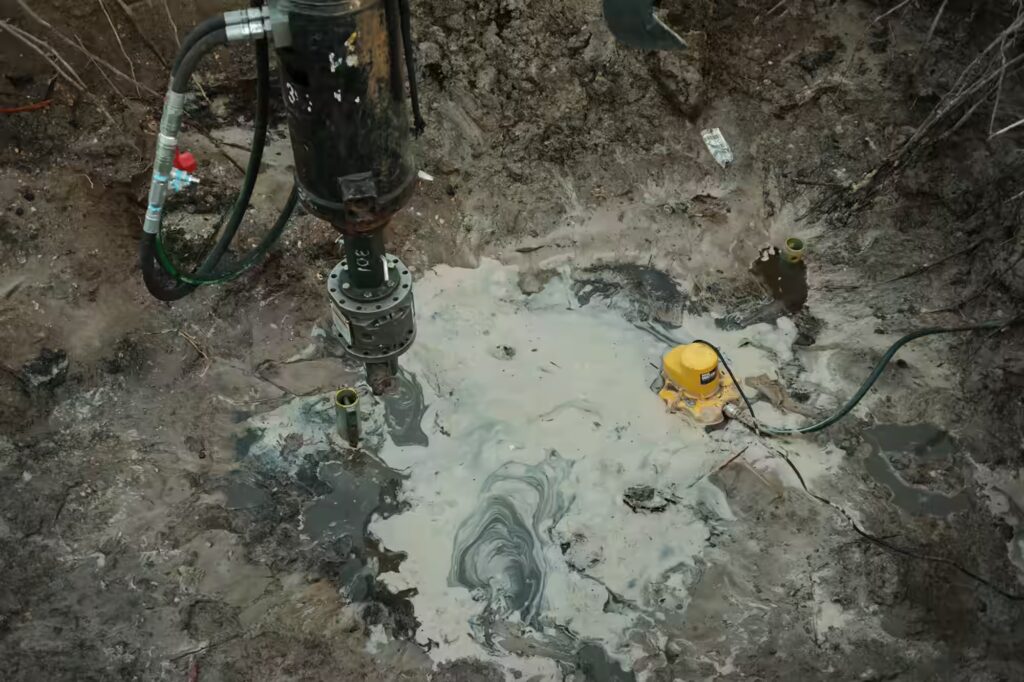
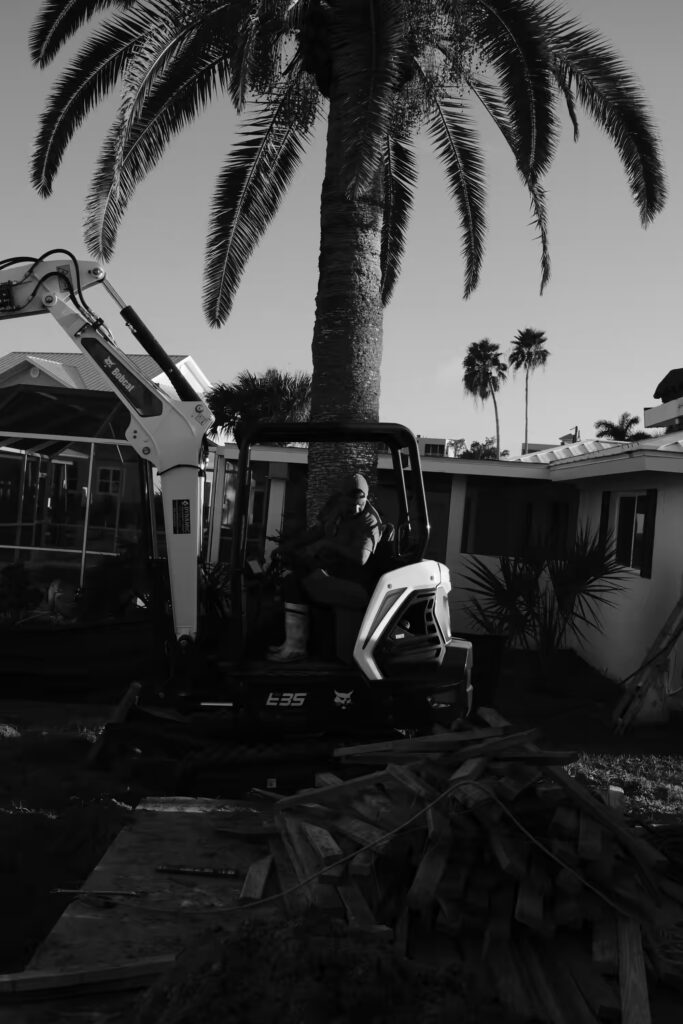
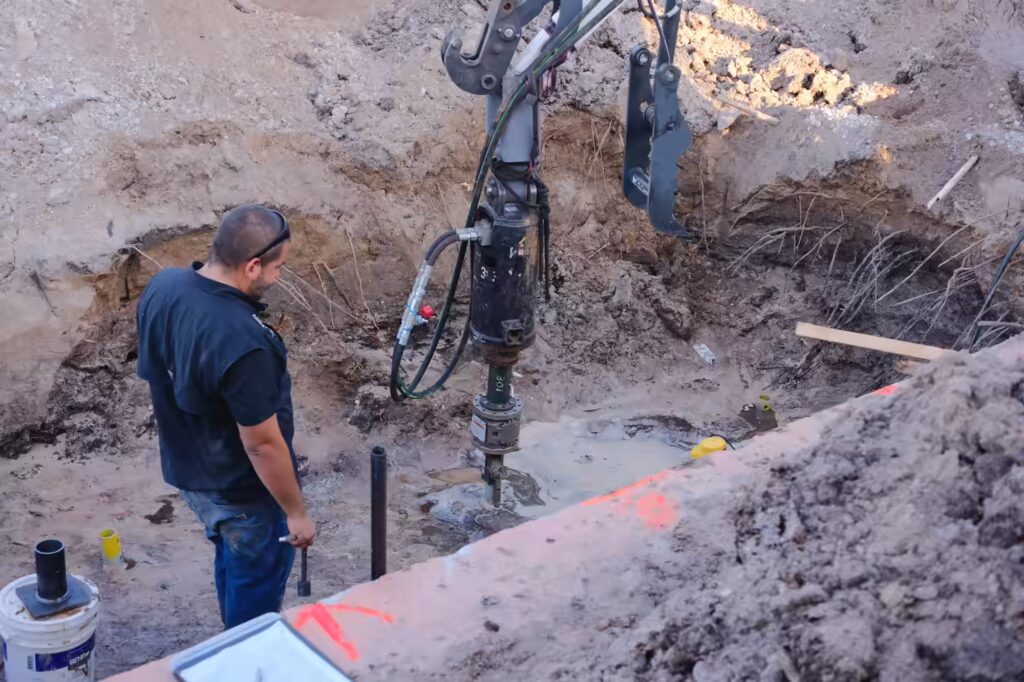
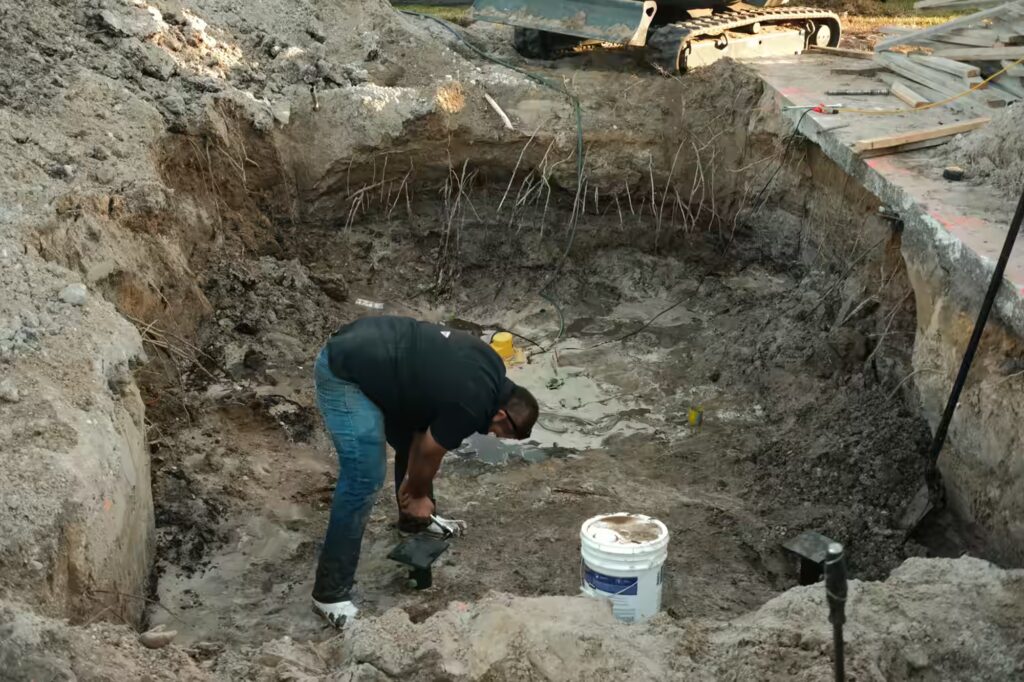
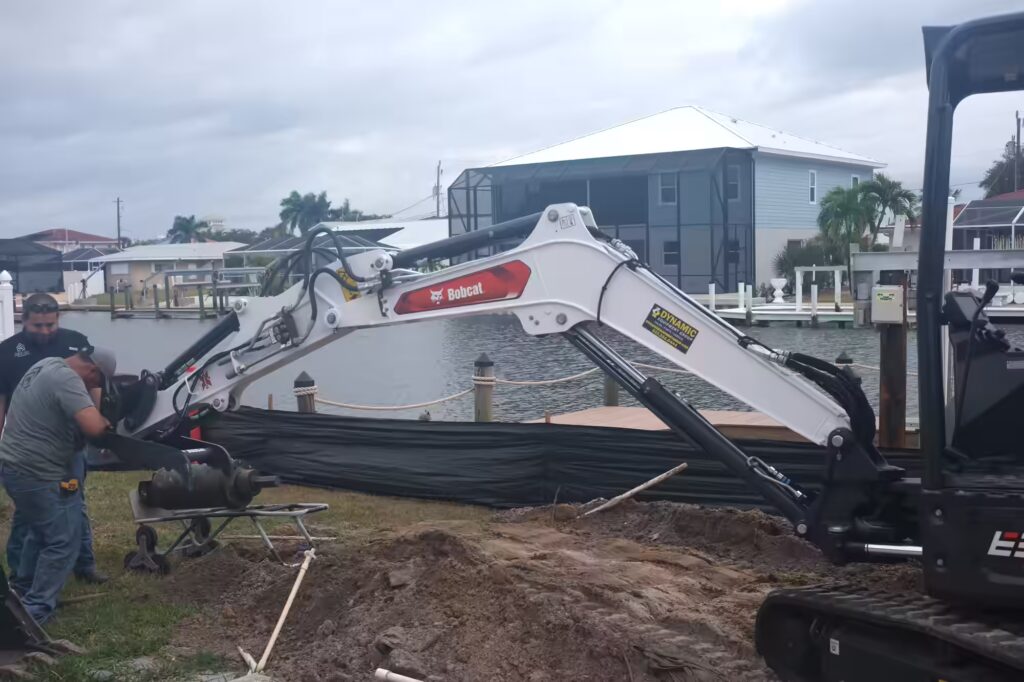
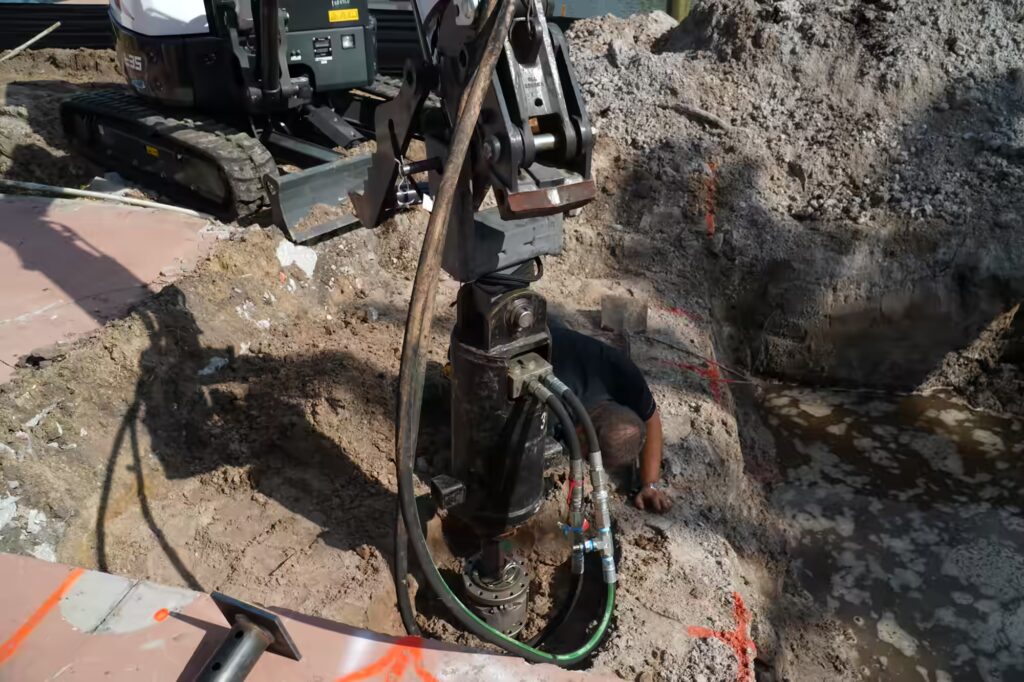
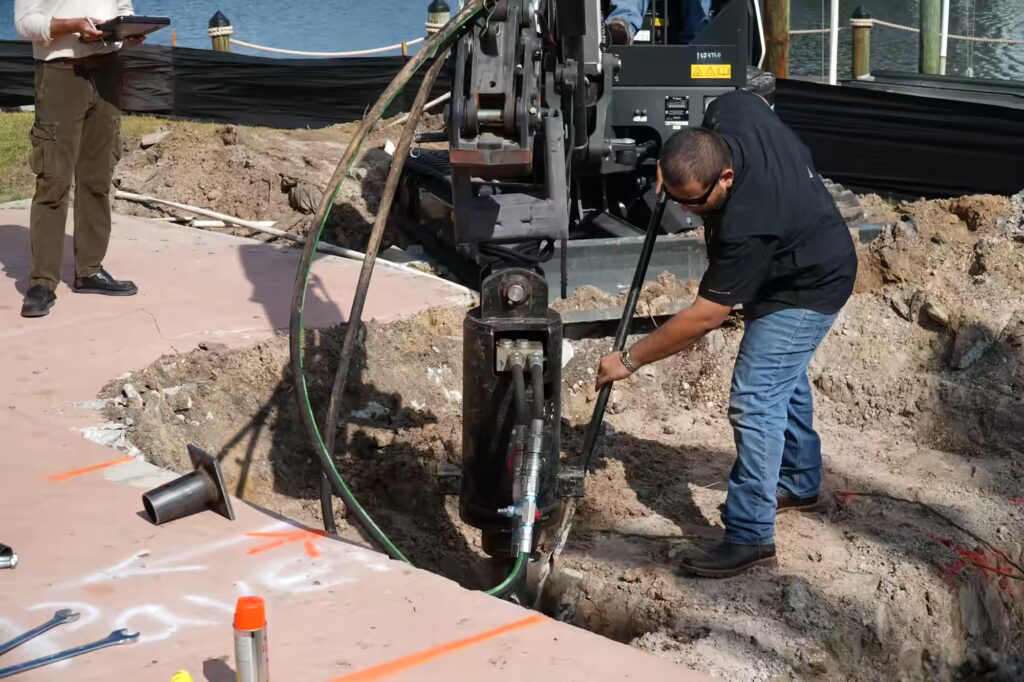
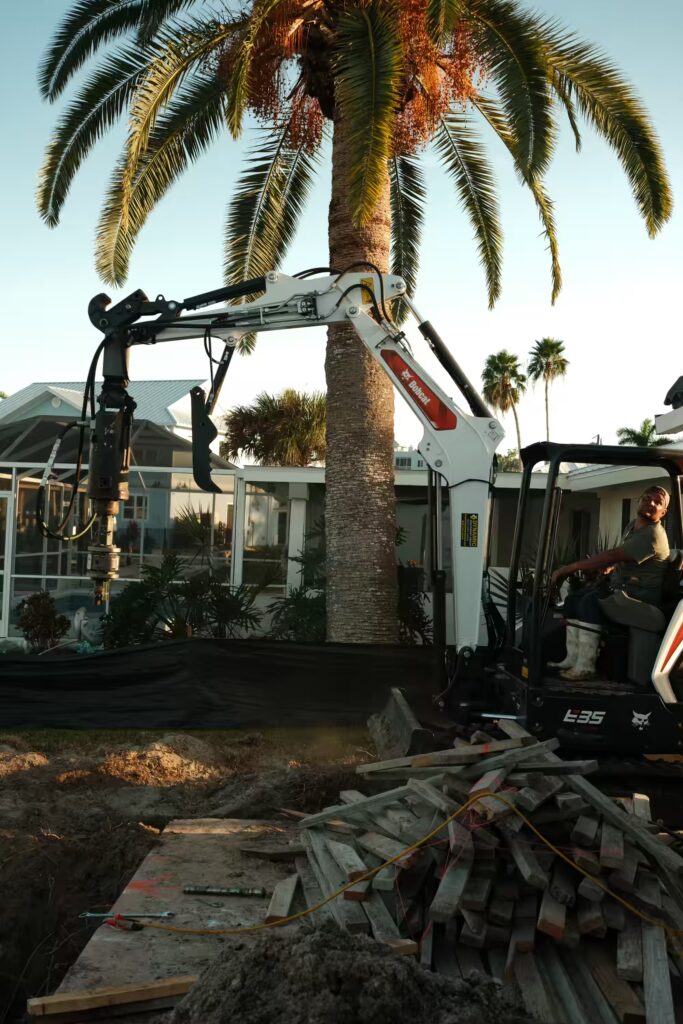
A helical pile is a steel shaft with plates welded along it. You drive it into the ground by rotation — like a screw — until it hits load-bearing soil. Once it is seated, it is a fixed anchor point. It resists vertical movement.

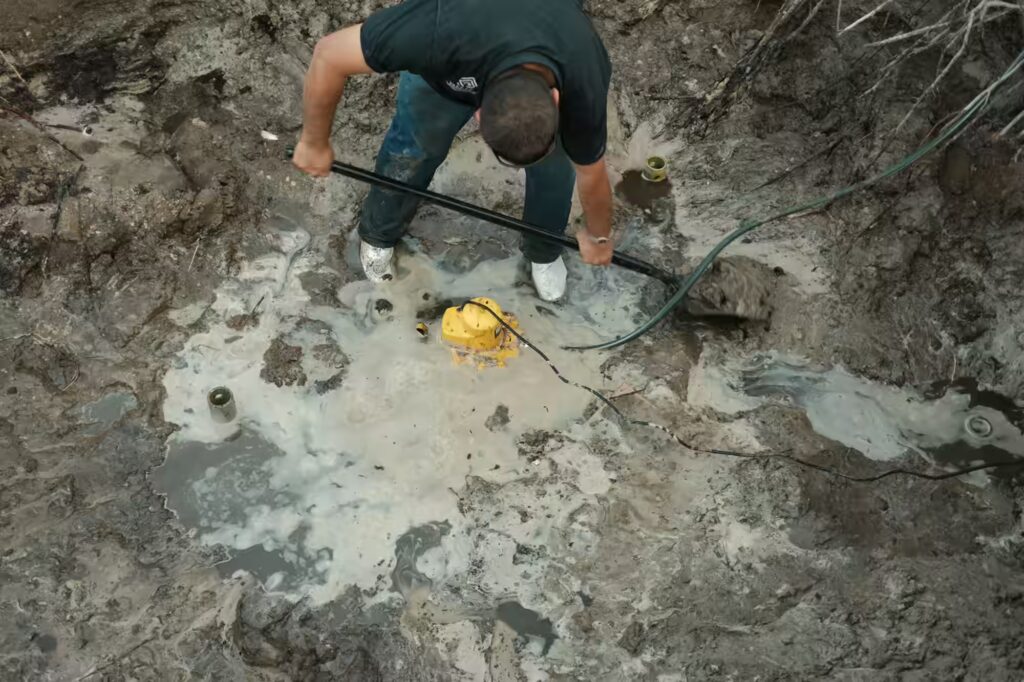
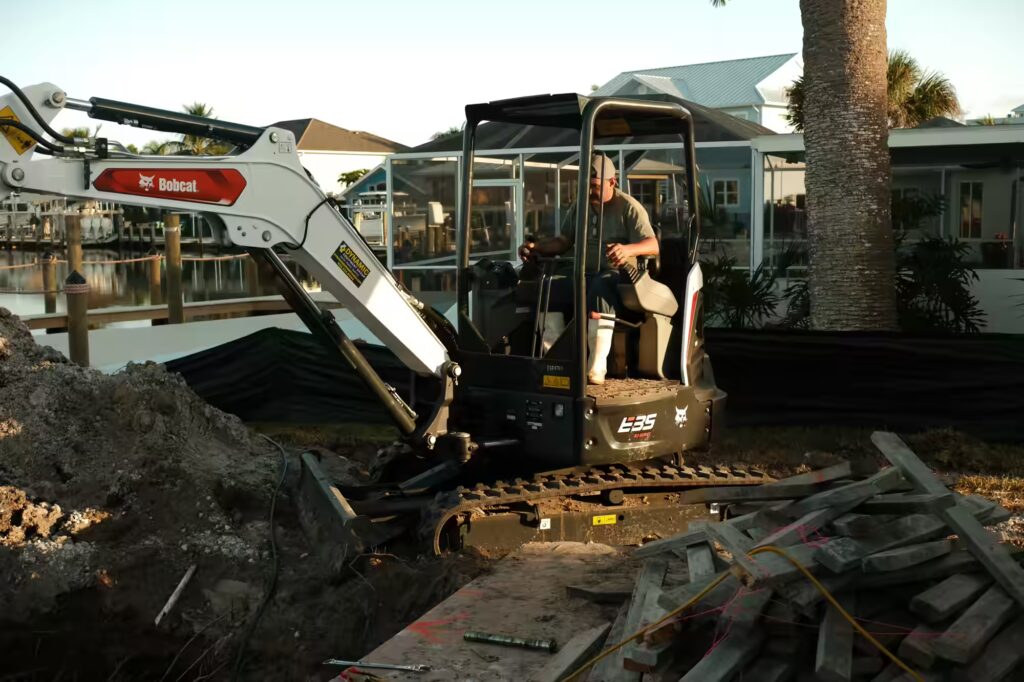
We installed eight of them inside the pool footprint. Each one anchored into stable ground below the water table. Full or empty, high water table or low — the shell is locked down.

Step 3: Structural Integration

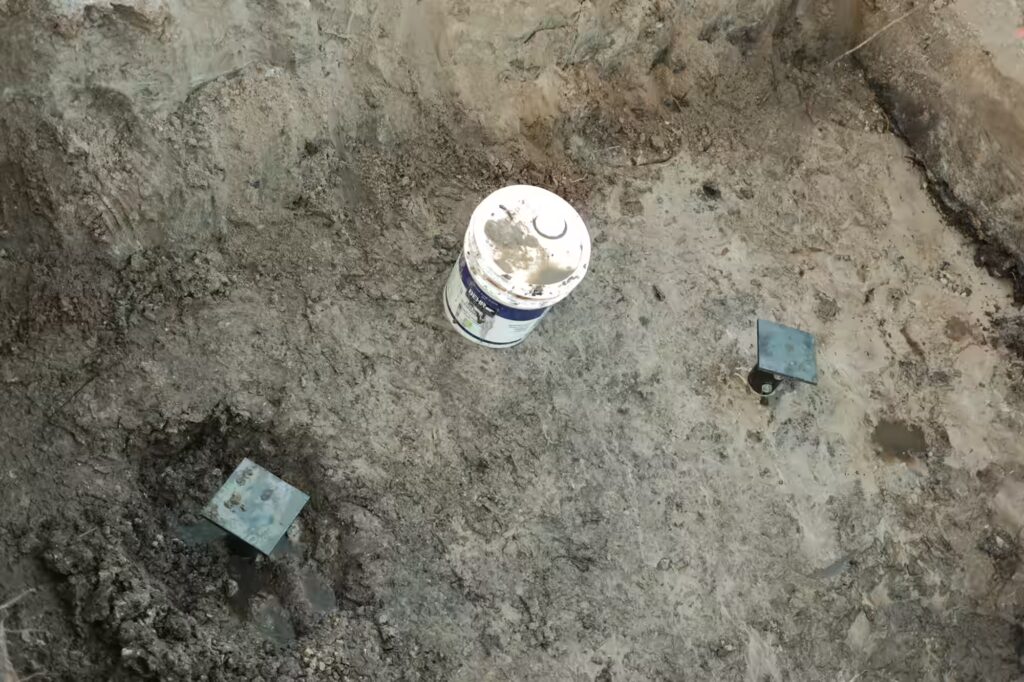
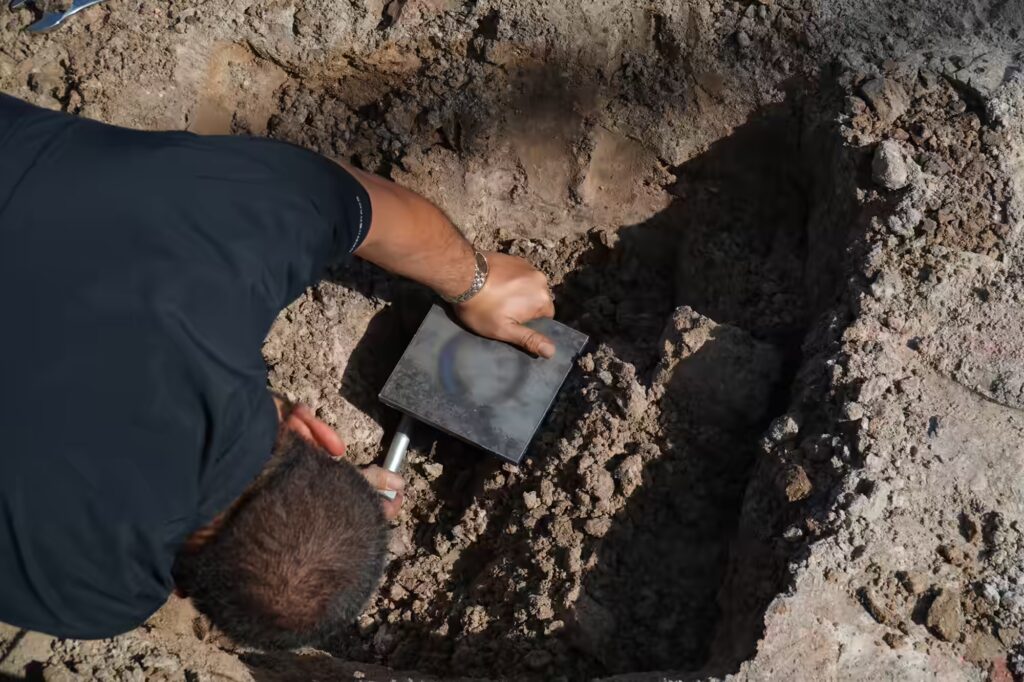
Once our piles were in place, the pool contractor came in, built the rebar cage, and tied it directly into our pile caps. Piles anchor to the soil. Caps connect to the rebar. Rebar gets encased in shotcrete. The whole thing — foundation, reinforcement, shell — is one structural system.

The shotcrete and everything after that was the pool contractor’s scope. Our work ended where standard pool construction begins. The structure was sound. They took it from there.

What Is Underneath the Pool Is What Counts

Every pool looks the same once you fill it with water. Nice tile, coping, a deck. That is the part people see.

The part they do not see is what keeps it all in the ground. The foundation. The anchors. The engineering that says this shell is not going anywhere when you drain it ten years from now.

We do not build the visible part. We build what is underneath. On this project, the pool contractor could not move forward without a structural foundation plan. That plan and those eight piles — that is what we provided.

The Results

What This Project Demonstrates

Eight helical piles engineered and installed to resist hydrostatic uplift

Full foundation plan with pile locations, depths, and load capacities

Rebar cage structurally tied into helical pile caps

Pool shell anchored to load-bearing soil below the water table

Foundation built for the life of the structure

Our Work In Pictures

Building Near Water? The Foundation Decides Everything.

If your property is near a canal, the coast, or a high water table, a standard pool shell is not enough.