
Zone Assessment
We review your Elevation Certificate to identify your specific flood zone, AE or VE, and Base Flood Elevation.
Engineering-Grade Flood Protection Systems
We install custom flood barrier systems designed to seal building entry points against rising waters. We provide dry floodproofing solutions that help property owners mitigate risk and navigate FEMA regulations.
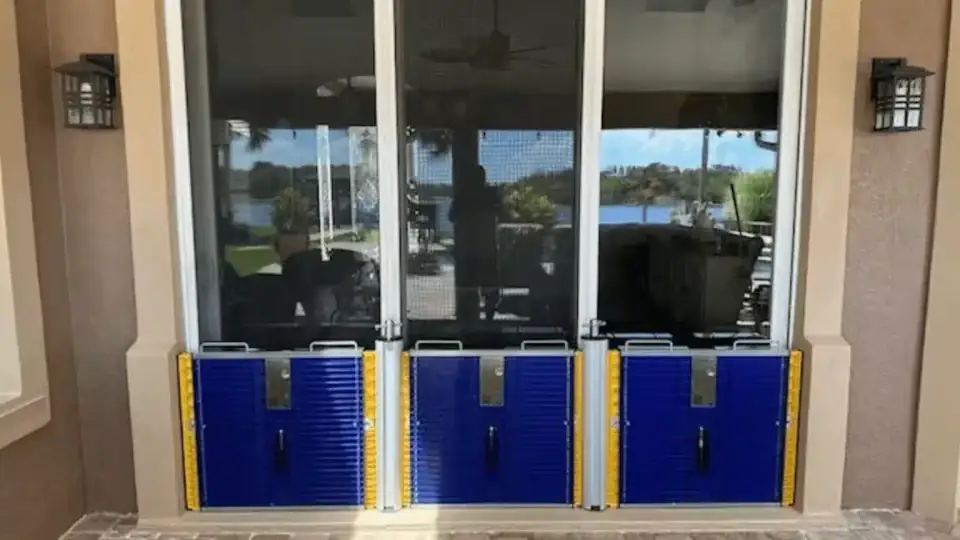
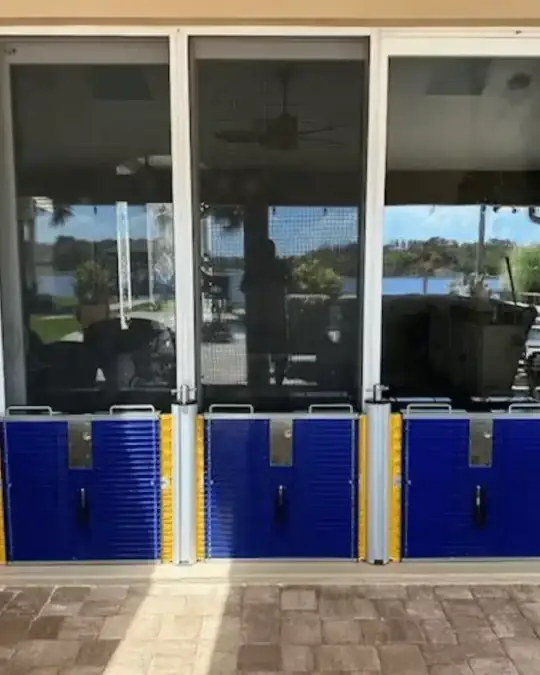
In Southwest Florida, the most expensive part of a flood is often not the water damage itself, but the regulatory consequences.
| Method | Deployment Time | Sealing Mechanism | Reusability |
|---|---|---|---|
| Sandbags | High (Hours) | Gravity / Poor Seal | Low (Contaminated after use) |
| Plywood Boarding | High (Hours) | None (Impact only) | Low |
| Custom Flood Barriers | Low (Minutes) | Compression Gaskets | High (Permanent hardware) |
| Wet Floodproofing | Passive (Always on) | Vents (Allow flow) | Permanent |
A Proven Process
We have partnered with Dameasy to provide the best flood protection possible.
We review your Elevation Certificate to identify your specific flood zone, AE or VE, and Base Flood Elevation.
We measure every vulnerability point: doorways, garages, and sliding glass doors.
We install Dameasy flood barriers where they are needed.
We demonstrate the deployment process to ensure a watertight compression seal is achieved.
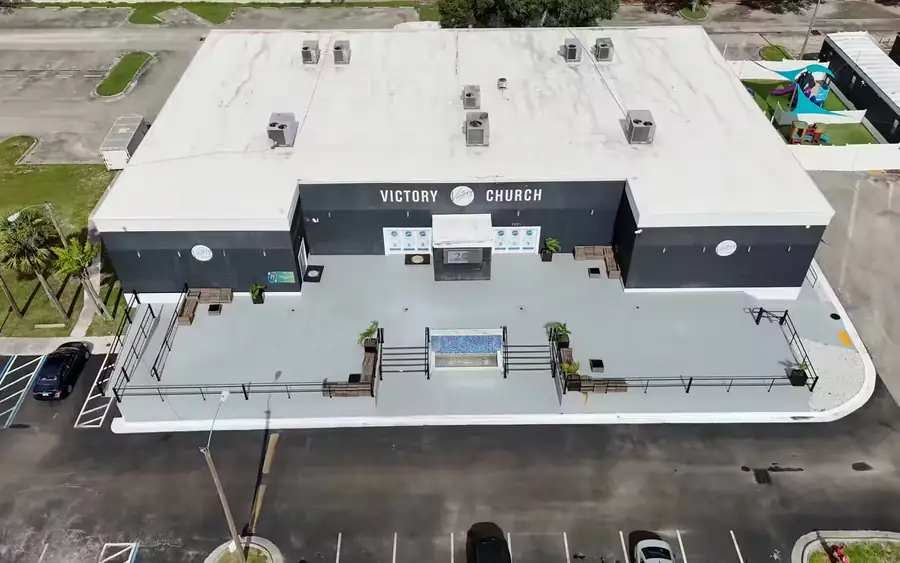 Victory Church Concrete PourAfter every Sunday service, the congregation had nowhere to go. No outdoor space. No area for events. The facade was plain, the front steps were cracking, and people were tripping walking in and out. The church needed a facelift and a gathering area - something that could handle Sunday crowds, farmers markets, canopies, chairs, grills, foot traffic, weather.Read More
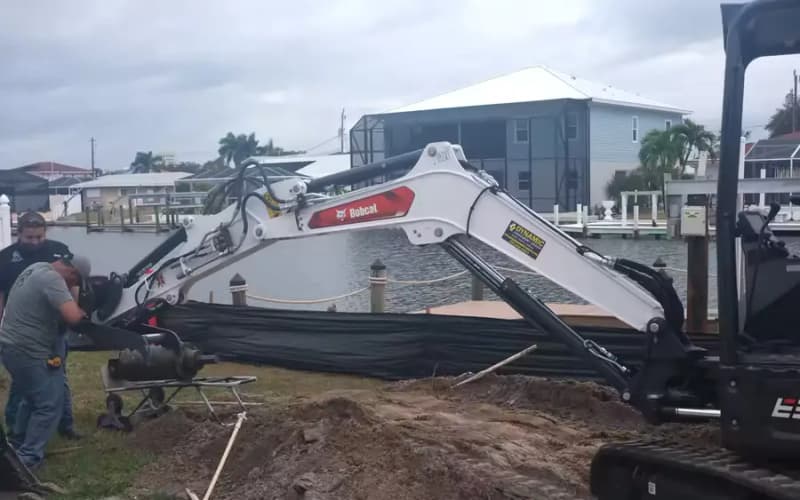 Bxpose Pool ConstructionWe were brought in for one thing: make sure this pool stays where you put it. We designed a helical pile foundation; eight steel anchors driven into stable soil below the water table, locking the shell down. A typical pool in South Florida has zero piles. This one has eight. That is the difference.Read More
 SynagroYears of hurricane exposure and neglected maintenance had taken a serious toll. The fabric coverings were torn. The structural steel was heavily corroded. And the concrete pedestals, the connection points between the steel columns and the foundation, had deteriorated to the point of failure. Bases were cracked and crumbling. Steel was rusted through. Standing inside, you could see the damage was structural, not cosmetic.Read MoreBxpose Pool ConstructionWe were brought in for one thing: make sure this pool stays where you put it. We designed a helical pile foundation; eight steel anchors driven into stable soil below the water table, locking the shell down. A typical pool in South Florida has zero piles. This one has eight. That is the difference.Read More
 Seabreeze Residence RestorationFrom a flooded first story and shattered structural columns to a flawless finish. See why simply patching hurricane damage is a dangerous gamble, and look inside the complete, start-to-finish engineered restoration of a South Florida beachfront home.Read MoreVictory Church Concrete PourAfter every Sunday service, the congregation had nowhere to go. No outdoor space. No area for events. The facade was plain, the front steps were cracking, and people were tripping walking in and out. The church needed a facelift and a gathering area - something that could handle Sunday crowds, farmers markets, canopies, chairs, grills, foot traffic, weather.Read MoreBxpose Pool ConstructionWe were brought in for one thing: make sure this pool stays where you put it. We designed a helical pile foundation; eight steel anchors driven into stable soil below the water table, locking the shell down. A typical pool in South Florida has zero piles. This one has eight. That is the difference.Read More
 Emergency Floor RestorationCollapsing floors, live electrical wires on damp earth, and 80-year-old rotting lumber hiding beneath a "new" floor. Step inside the Kelly Piper Residence to see the terrifying reality of cut-rate contractor work, and the engineered rebuild that actually saved the property.Read MoreSeabreeze Residence RestorationFrom a flooded first story and shattered structural columns to a flawless finish. See why simply patching hurricane damage is a dangerous gamble, and look inside the complete, start-to-finish engineered restoration of a South Florida beachfront home.Read MoreSynagroYears of hurricane exposure and neglected maintenance had taken a serious toll. The fabric coverings were torn. The structural steel was heavily corroded. And the concrete pedestals, the connection points between the steel columns and the foundation, had deteriorated to the point of failure. Bases were cracked and crumbling. Steel was rusted through. Standing inside, you could see the damage was structural, not cosmetic.Read More
Why it holds up
Opening measurements, substrate strength, gasket compression, and deployment training stay tied to the install.
Dameasy systems are designed to be installed by one person in minutes without specialized tools.
We utilize industrial rubber gaskets and compression mechanisms to create a true watertight seal against the masonry.
We offer low-profile channels that remain on the house year-round or fully removable systems that leave no trace when not in use.
Effective mitigation reduces the risk of reaching the "Substantial Damage" threshold during flood events.
What people say
Take Off Construction Management serves Cape Coral, Lehigh Acres, Miami, and surrounding South Florida communities.
The service footprint covers the published locations across Lee, Charlotte, Collier, Sarasota, Miami-Dade, and Broward Counties.
View All LocationsResilient Construction
Flood protection answers on removable barriers, structural substrates, FEMA rules, impact windows, PACE financing, and storm-hardening repairs.
Modern flood barriers are custom-engineered, removable panels that lock into discreet channels installed on your doorframes. Unlike sandbags, which leak and are labor-intensive, these barriers create a watertight seal against hydrostatic pressure. In Southwest Florida, where storm surge creates rapid water rise, these barriers provide industrial-grade protection for your ground-level entryways, preserving your property without permanently altering your home's aesthetic.
Effective flood protection requires a solid substrate. If our inspection reveals that your wood framing is rotted or structurally insufficient to withstand water pressure, we cannot simply bolt on a barrier. We must first perform a structural retrofit, often replacing the bottom plate with a reinforced concrete curb or masonry stem wall. We build the necessary structural integrity first, ensuring the barrier system has a solid foundation to seal against.
The FEMA 50% Rule is critical for homes in designated Flood Zones. It states that if the cost of improvements or repairs exceeds 50% of the structure's depreciated market value, the entire home must be brought into compliance with current flood elevation codes. Takeoff CM helps you navigate this by providing detailed, itemized construction budgets and working with local officials to determine accurate valuations, ensuring your project remains compliant without triggering mandatory elevation.
While shutters protect the glass from debris, Impact Windows offer superior, passive protection 24/7. Structurally, they help maintain the building's internal pressure envelope during a hurricane, preventing roof lift-off. Additionally, they provide significant noise reduction, UV protection, and energy efficiency that shutters do not. Upgrading to impact-rated glazing often qualifies homeowners for significant insurance premium discounts.
The Property Assessed Clean Energy program allows homeowners to finance critical wind-hardening upgrades, like impact windows, doors, and roofing, through an assessment on their property tax bill. This eliminates the need for large upfront cash outlays. Takeoff CM can guide you toward qualifying upgrades, allowing you to secure your home immediately while amortizing the cost over time.
The cap is the concrete beam running along the top of your seawall, holding the panels together. Over time, salt water penetration rusts the internal steel, causing the concrete to crack and spall. A compromised cap can lead to seawall failure and soil loss in your backyard. We repair or replace these caps using marine-grade materials and epoxy-coated rebar to extend the lifespan of your waterfront infrastructure.
Yes. We offer wind mitigation retrofits which focus on the load path of your home. This often involves installing hurricane straps, or clips, to better secure the roof trusses to the wall plate, reinforcing gable ends to prevent collapse, and upgrading exterior doors. These specific retrofits make your home significantly more resilient to wind uplift and are key factors in reducing windstorm insurance premiums.
The timeline is driven by manufacturing. Custom-sized impact windows typically have a lead time of 4 to 12 weeks depending on the brand and specifications. Once the materials arrive, our installation is efficient, usually completed in 2-5 days for an average home. However, permitting in Lee or Collier County must be secured prior to installation. We manage this schedule proactively and keep you updated on manufacturing status.
Hairline cracks are common due to Florida's heat and settling. However, cracks that are wide, stair-stepped following the block line, or accompanied by rust stains indicate structural movement or internal corrosion. After a storm, these cracks allow bulk water intrusion, leading to mold and rot. We provide inspections to determine if it is a cosmetic stucco repair or if structural stitching is required to secure the wall.
We understand that storm damage is often unexpected. Takeoff CM accepts various forms of payment and can connect you with financing partners for larger structural or hardening projects. We also work with the PACE program for qualifying upgrades. Our goal is to ensure financial constraints do not prevent you from securing the safety of your home.