From Blueprint to Reality with Excellence
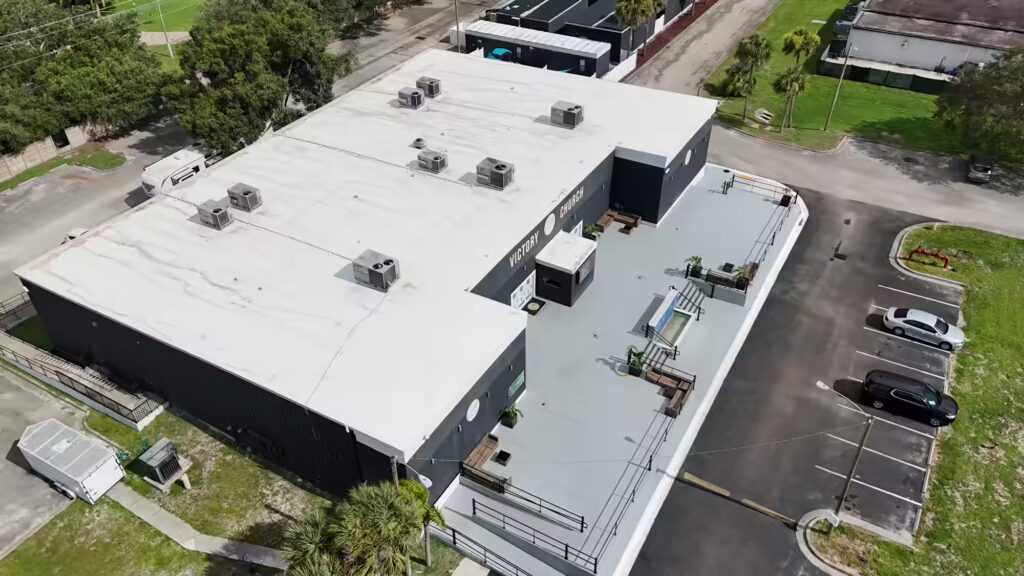
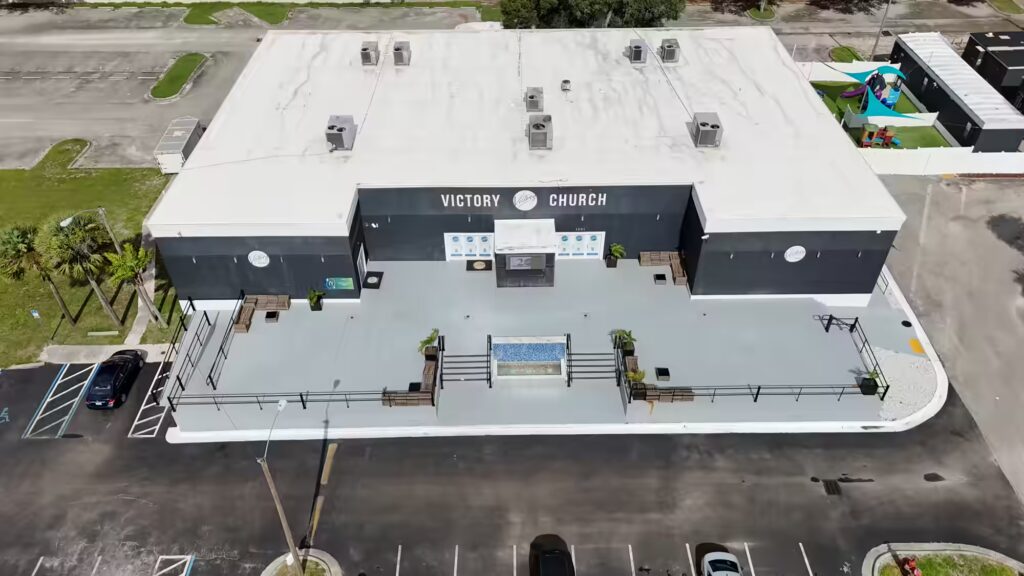
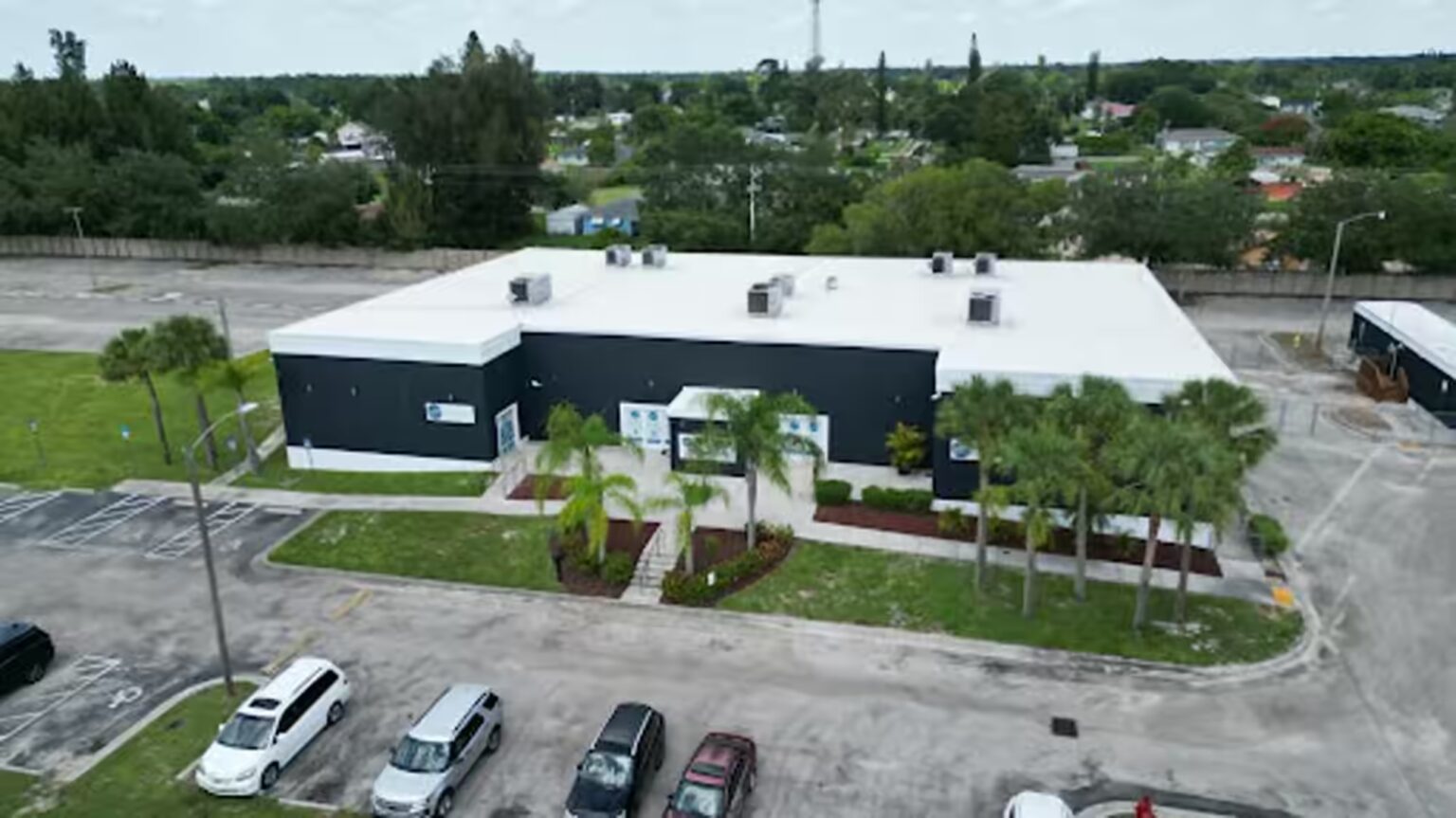
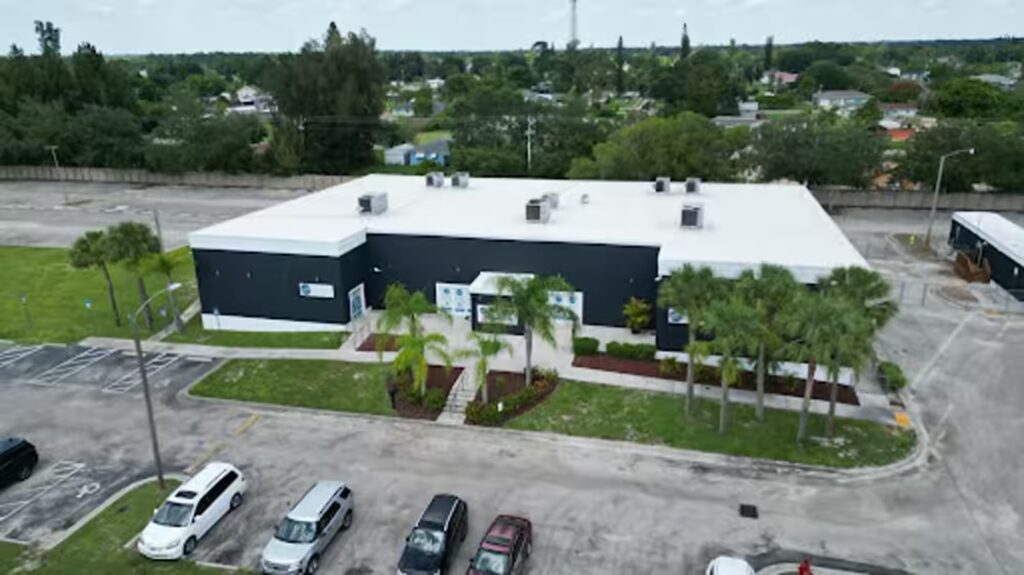
After every Sunday service, the congregation had nowhere to go. No outdoor space. No area for events. The facade was plain, the front steps were cracking, and people were tripping walking in and out. The church needed a facelift and a gathering area — something that could handle Sunday crowds, farmers markets, canopies, chairs, grills, foot traffic, weather.
But this was not a patio job. The site sits about six feet above street level. That means retaining walls, not just slabs. There was a water feature planned for the center — structurally, that is a mini pool. There was a manhole sitting right under the build area that had to be relocated. And this is a commercial project on a main road, so every piece of documentation, every engineering drawing, every permit had to meet commercial code.
Most concrete contractors would show up, pour a slab, and leave. That is not what this project needed.
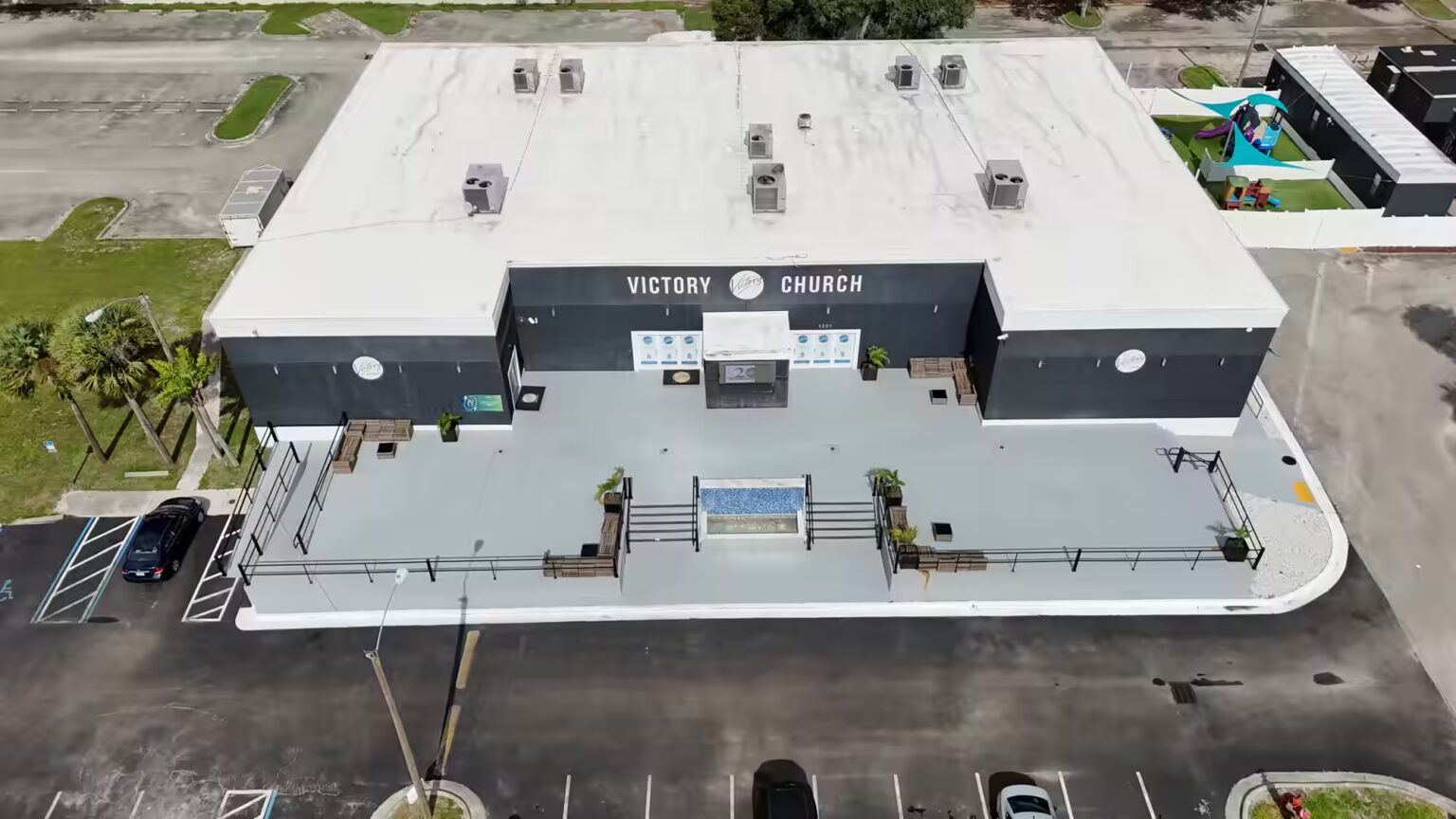
We handled everything. Engineering, permitting, retaining walls, water feature, utility relocation, and a 5,000-square-foot reinforced concrete pour with 25 workers on site.
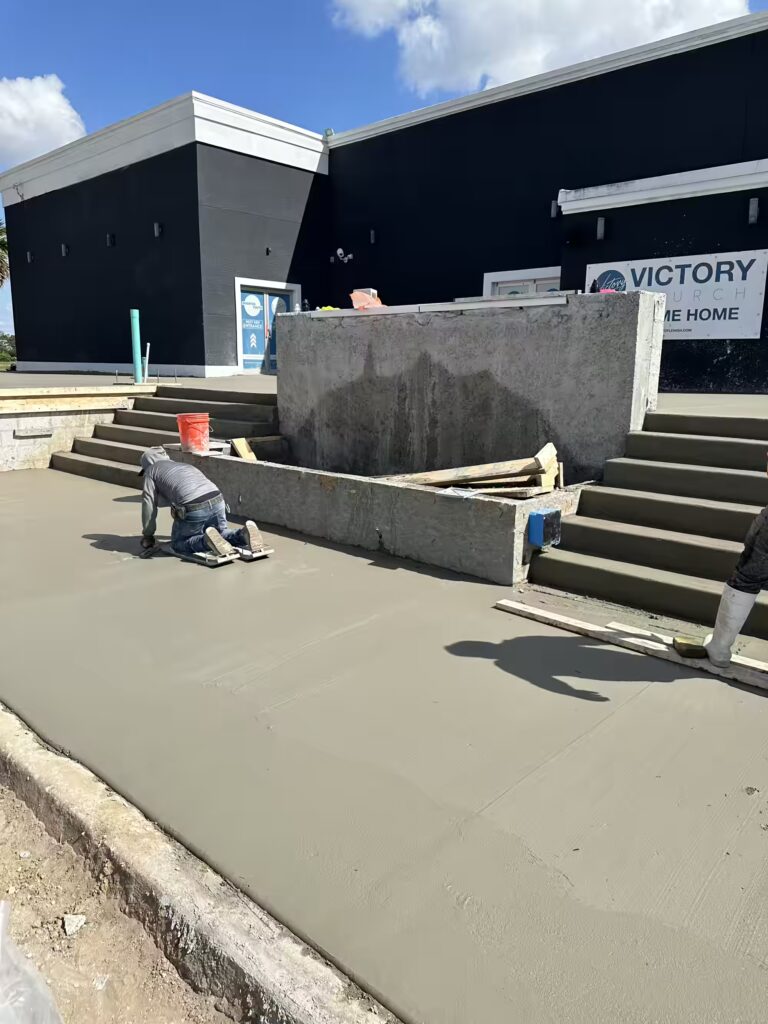
Sealed and finished with a system that will hold up for decades.
We walked the site with church leadership. They knew what they wanted — a real outdoor space. What they did not know was what the elevation, the utilities underground, and the commercial permitting would require.
We put together a conceptual design that addressed all of it: the retaining system, the water feature placement, the electrical tie-in to the existing building, and the storm water plan.
Commercial permitting is a different animal than residential. Stricter requirements, longer review, more documentation. This project needed city coordination on storm water, utility relocation, and structural loading.
The permitting alone was one of the most complex parts of the job.
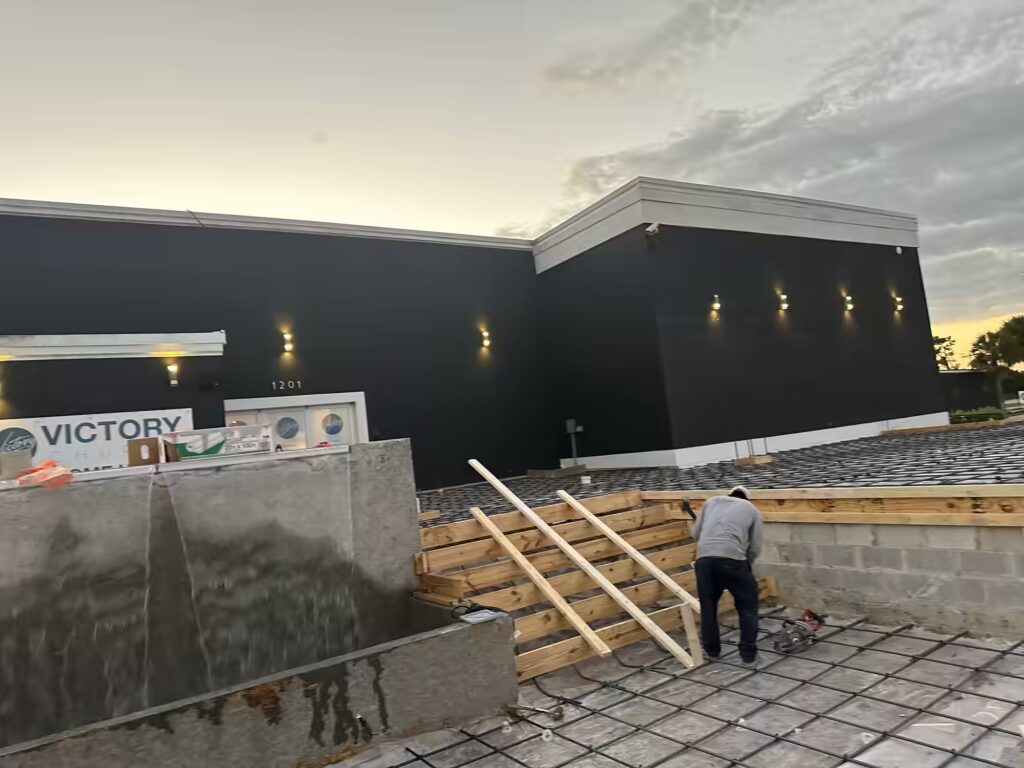
Six feet above street level means you need a wall holding the soil in place around the entire perimeter. That is what we built.
Without a properly engineered retaining system, soil pressure pushes through within a few years and you are looking at a failure.
The water feature in the center is not a fountain bolted to a slab. It is a concrete basin with its own plumbing and electrical — basically a small pool. The electrical had to connect to the building’s existing service.
The whole thing had to fit into the storm water management plan.
There was a manhole sitting right under where the slab needed to go. We identified it during engineering, relocated it, and designed around it.
One section of the finished surface stays accessible for the utility below. This is the kind of thing that kills a project if you find it mid-pour instead of during planning.
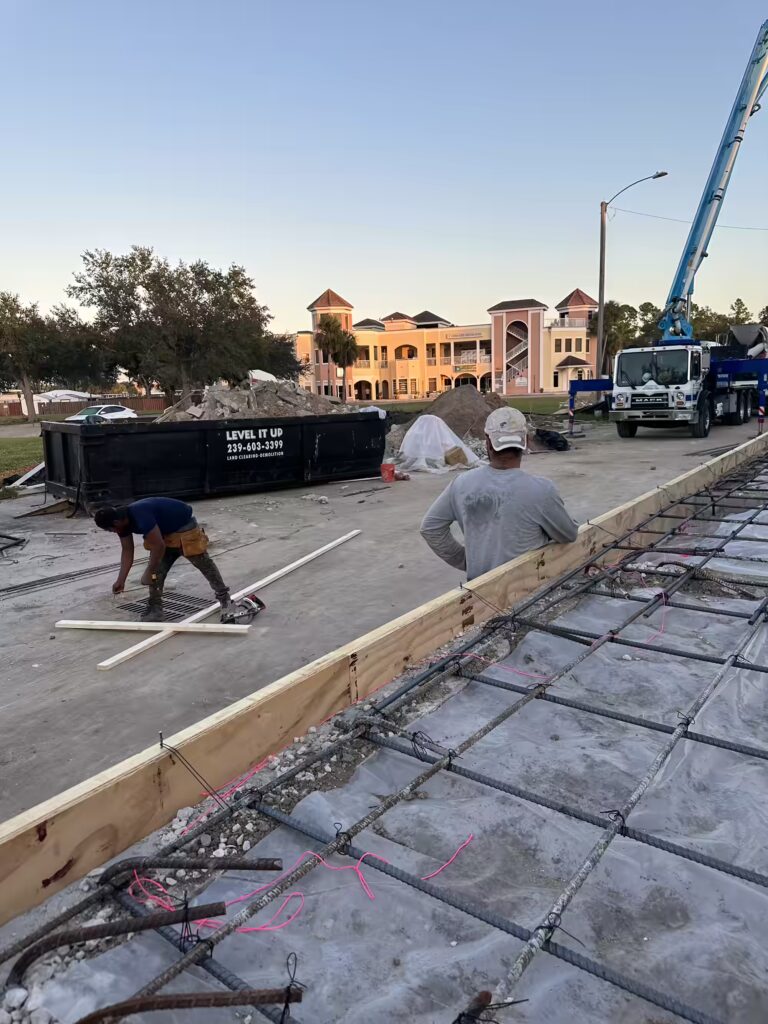
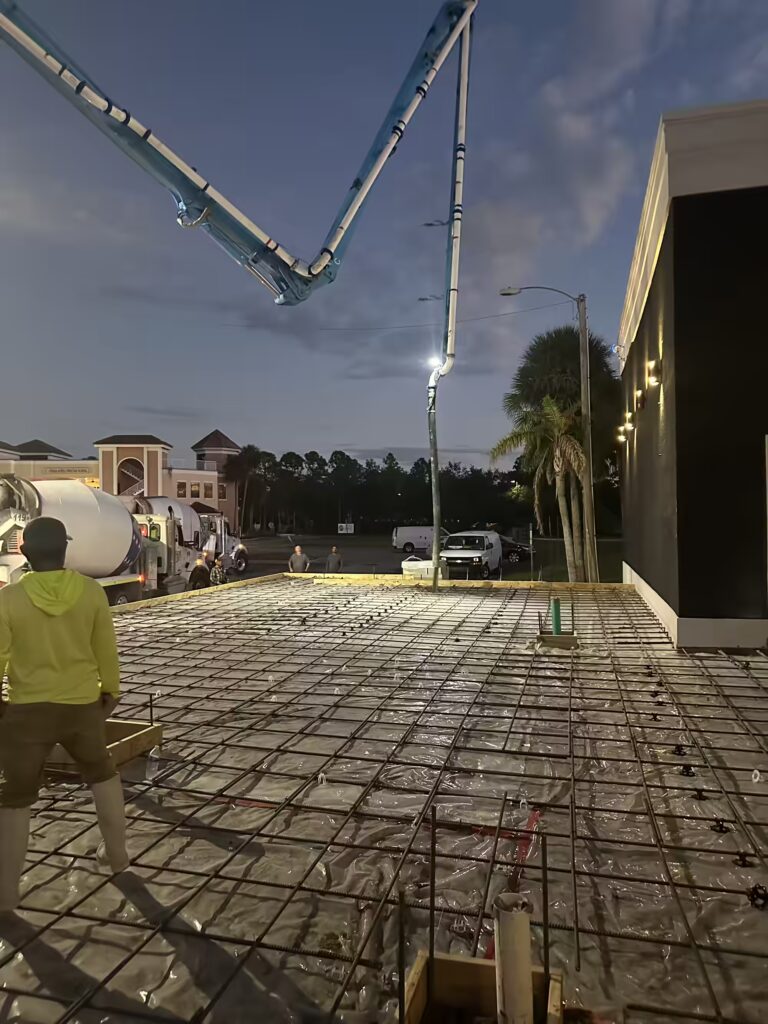
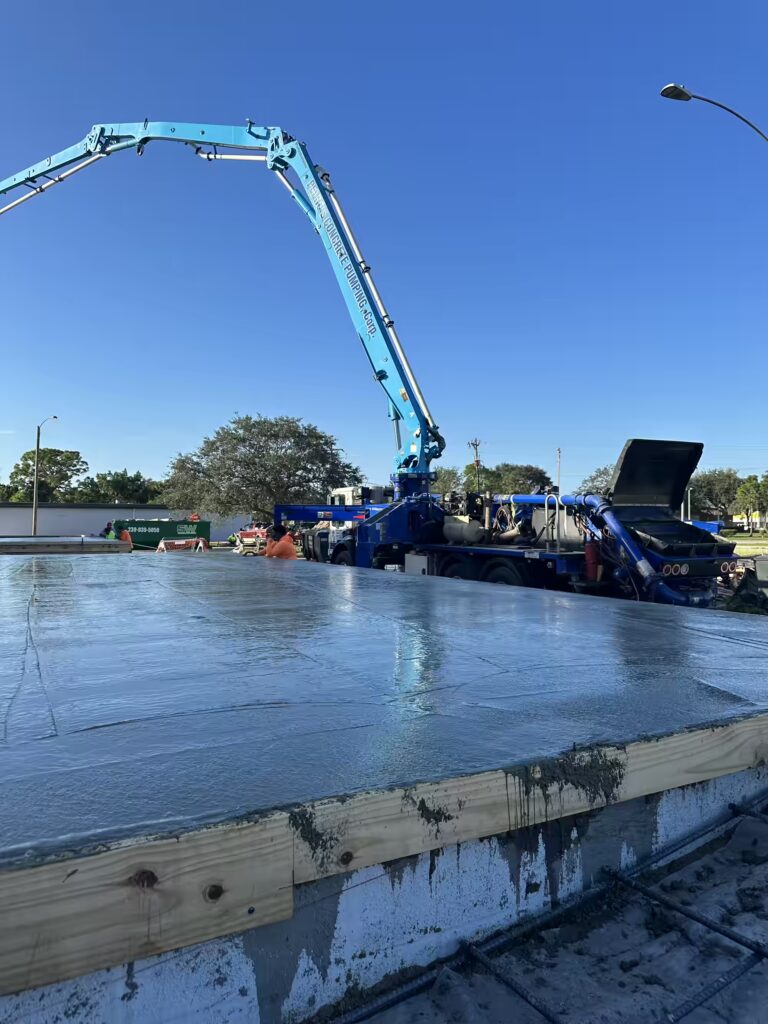
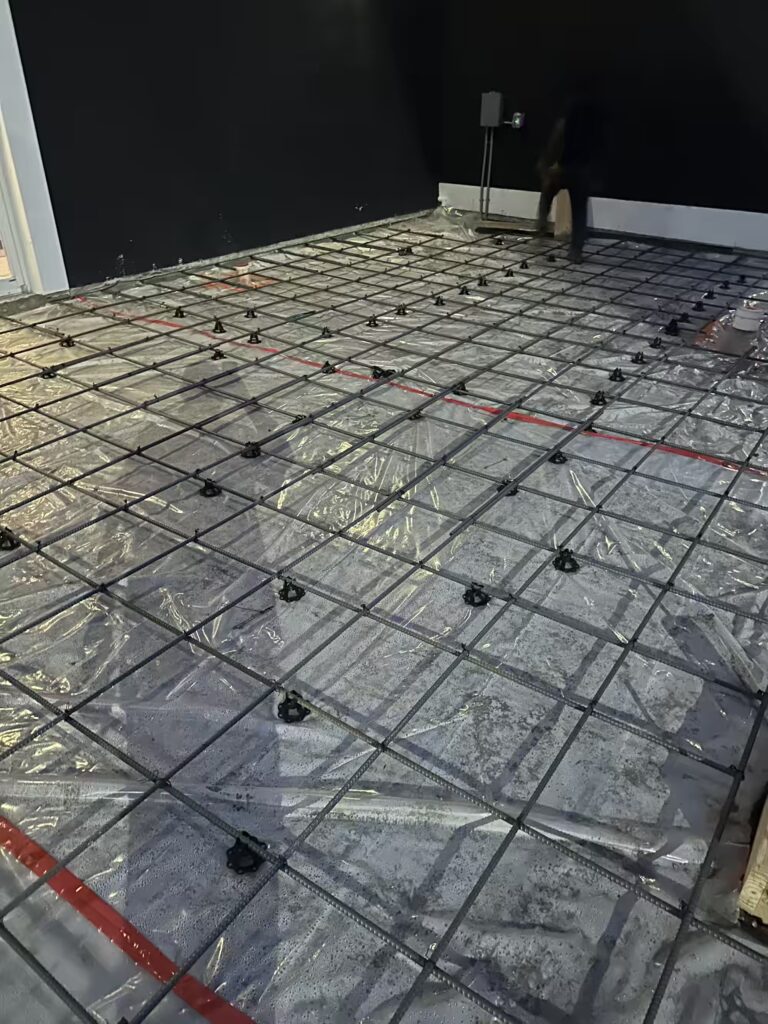
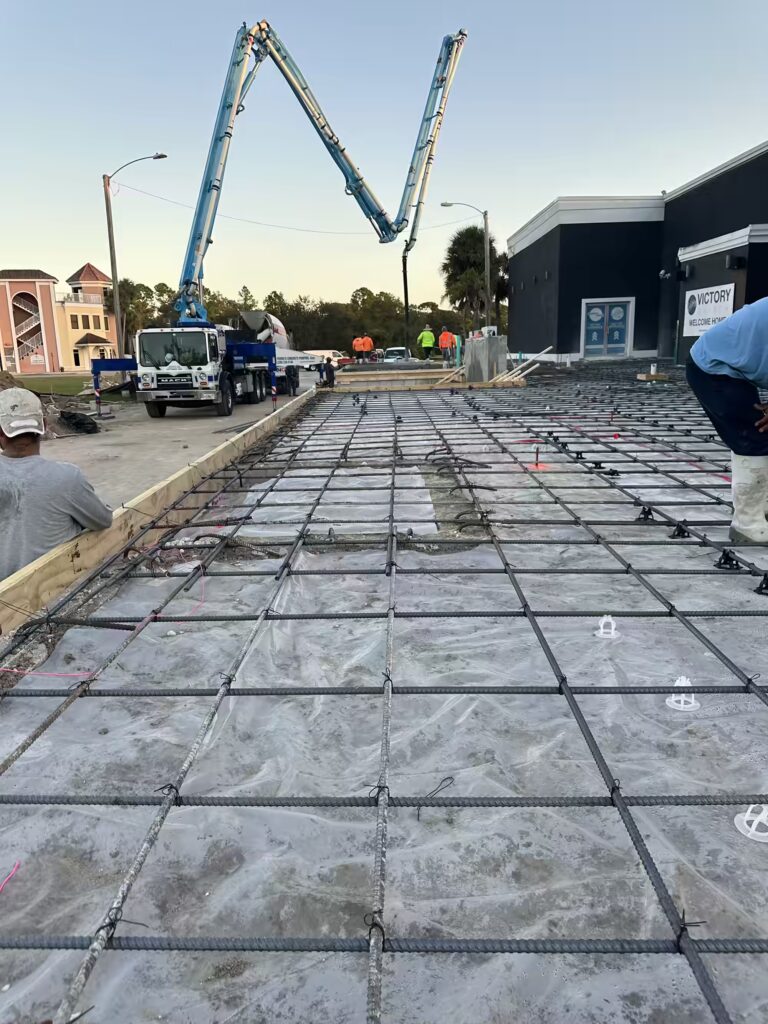
Rebar on a 12-inch on-center grid across the entire 5,000-square-foot area. Every 12 inches, both directions. You could park a tank on this thing and nothing would happen to it.
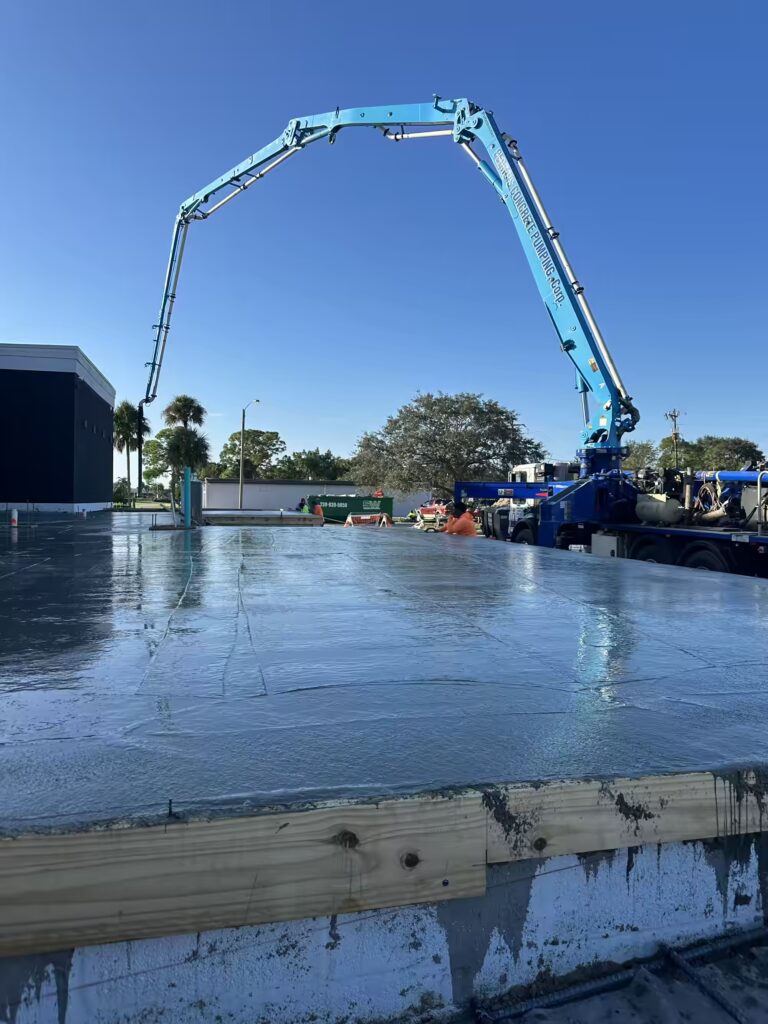
The pour took 25 guys, starting early. At this scale, once you start, you do not stop. One pour. One shot.
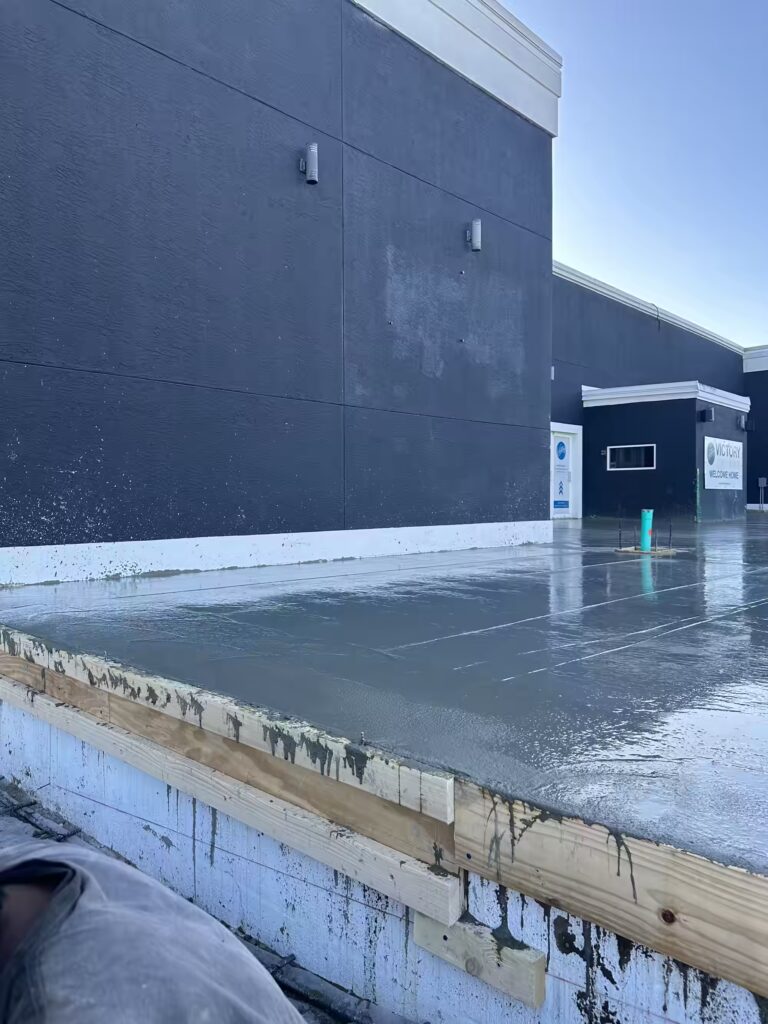
Concrete cracks. That is what it does. The question is whether it cracks where you want it to or wherever it feels like.
We cut expansion joints across the entire surface — that is the grid pattern you see in the drone footage.
Those cuts control where the slab fractures when it moves with temperature and settling. Skip this step and a year later it looks like nobody finished the job. Do it right and it looks clean for the life of the structure.
Concrete is like a sponge. If somebody spills oil or grease on bare concrete, that stain is there forever. In a space where people are grilling, setting up markets, hosting events — that is not going to work.
We used a patented sealer from Concrete Technology Industries. It seals the surface, gives it a uniform color, and makes it slip-resistant. Anything that spills washes right off. Without it, you are staring at stains within the first month.
Commercial work requires commercial engineering. The permitting, the retaining walls, the utility relocation, the storm water coordination — none of that exists on a residential job.
The details are what make it last. Expansion joints so it does not crack randomly. Sealer so it does not stain. A 12-inch rebar grid so it does not fail structurally. These are not extras. These are the difference between something that holds up and something that does not.
Scale did not compromise anything. Twenty-five guys. Five thousand square feet. One pour. The drone footage shows the lines are straight, the joints are uniform, and the finished product looks like it was manufactured. That takes engineering and a crew that knows what they are doing.
We engineer and build commercial outdoor construction that holds up for decades.