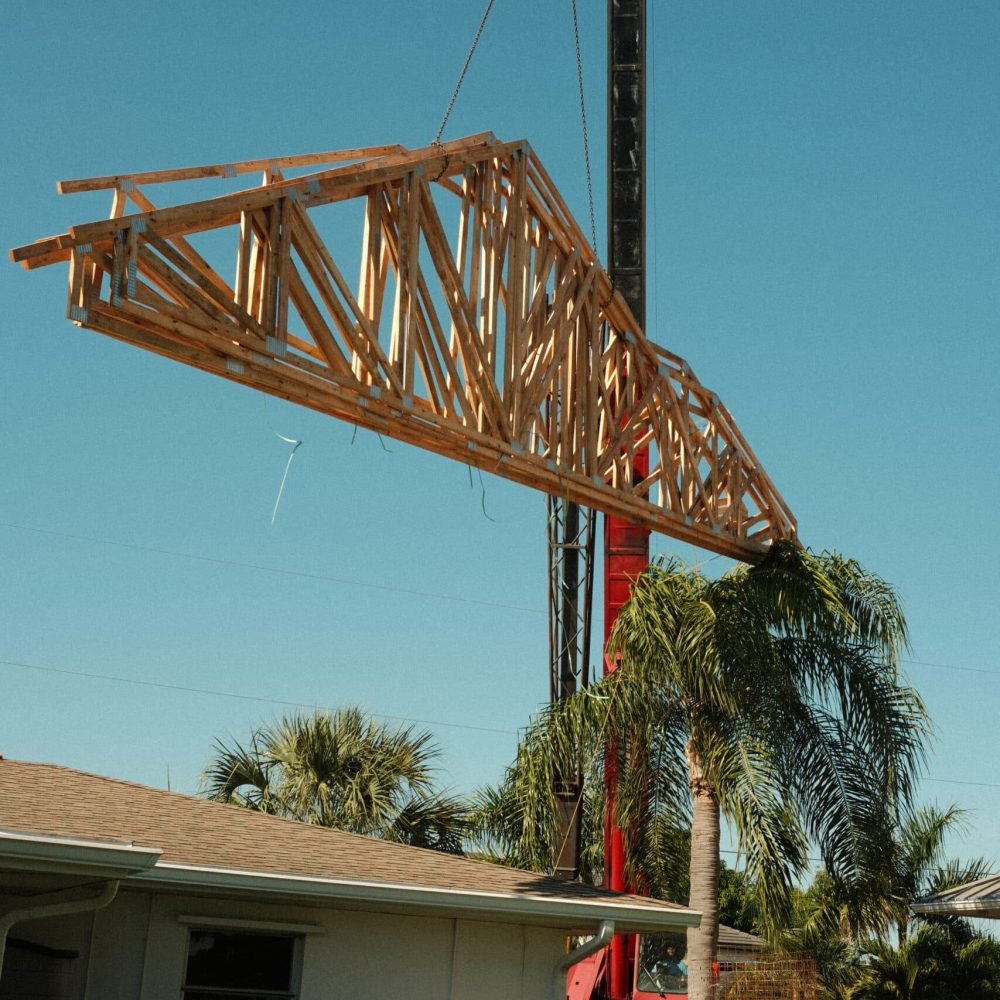
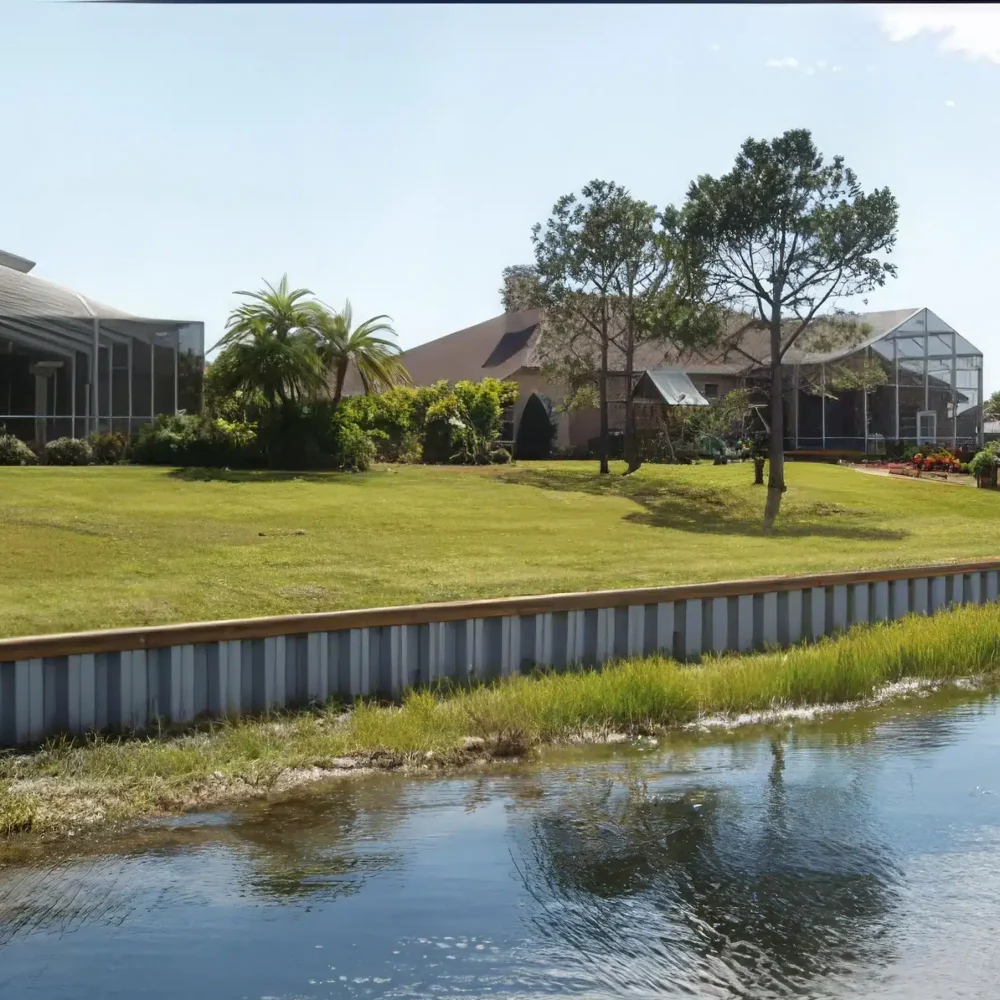
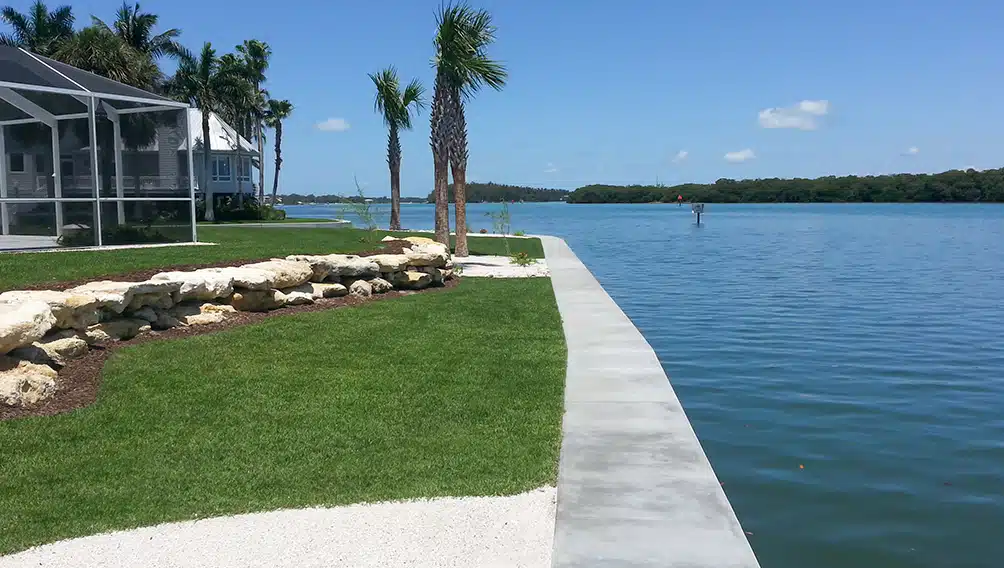
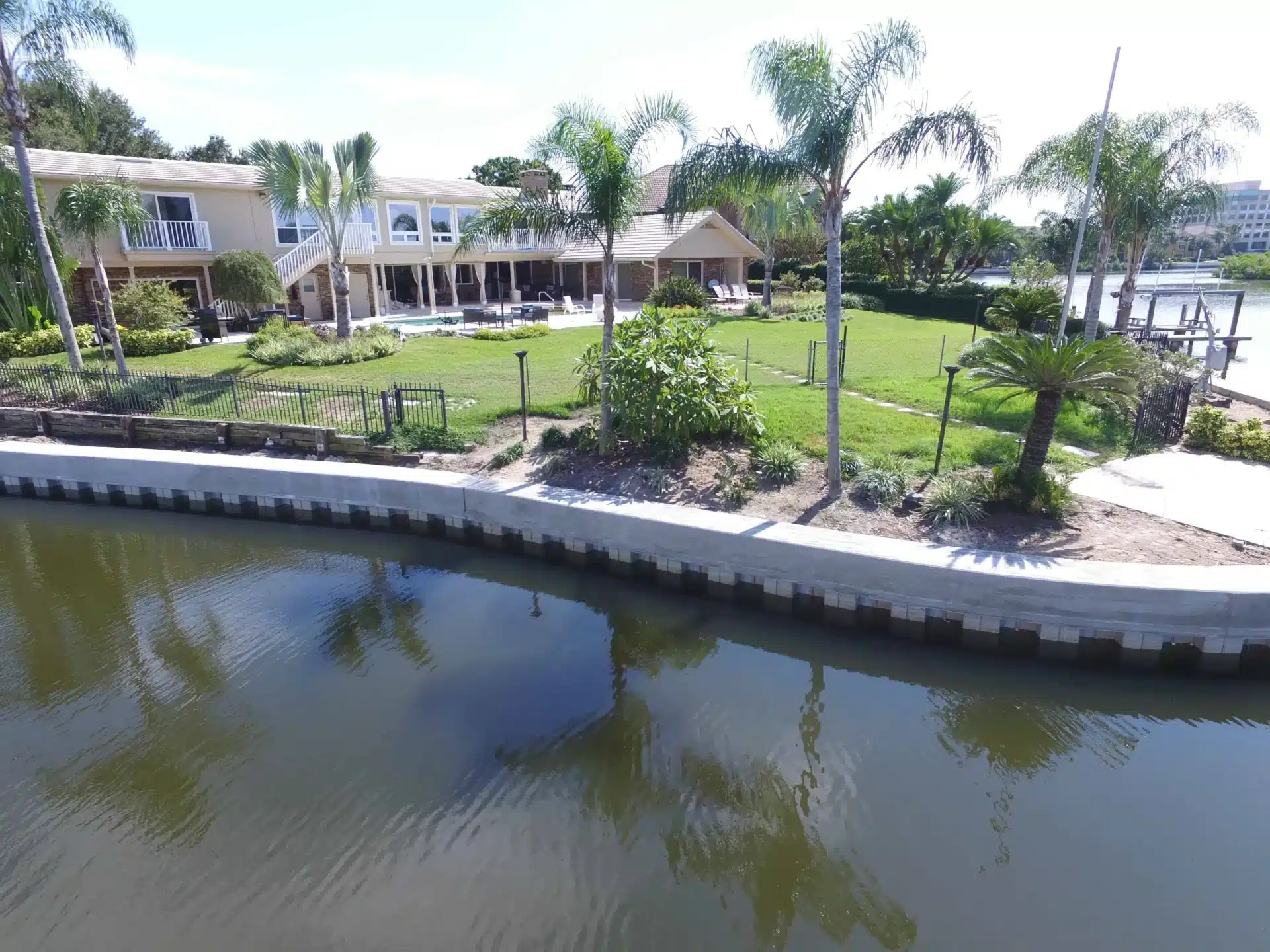
Cape Coral is an amphibious city defined by 400 miles of canals and “made land.” We navigate the City’s specific H-Series Design Standards, marine containment regulations, and geotechnical challenges. We build structures designed to withstand the settlement forces of dredged fill.
Cape Coral was carved from wetlands using massive dredge-and-fill operations. Developers used spoil—a mix of limestone, marl, and organic vegetation—to raise the elevation of home lots.
The Problem (Organic Decomposition): In the rush to develop, vegetation was often bulldozed into low spots and covered with fill. As this buried organic material decomposes anaerobically over decades, it loses volume, creating voids.
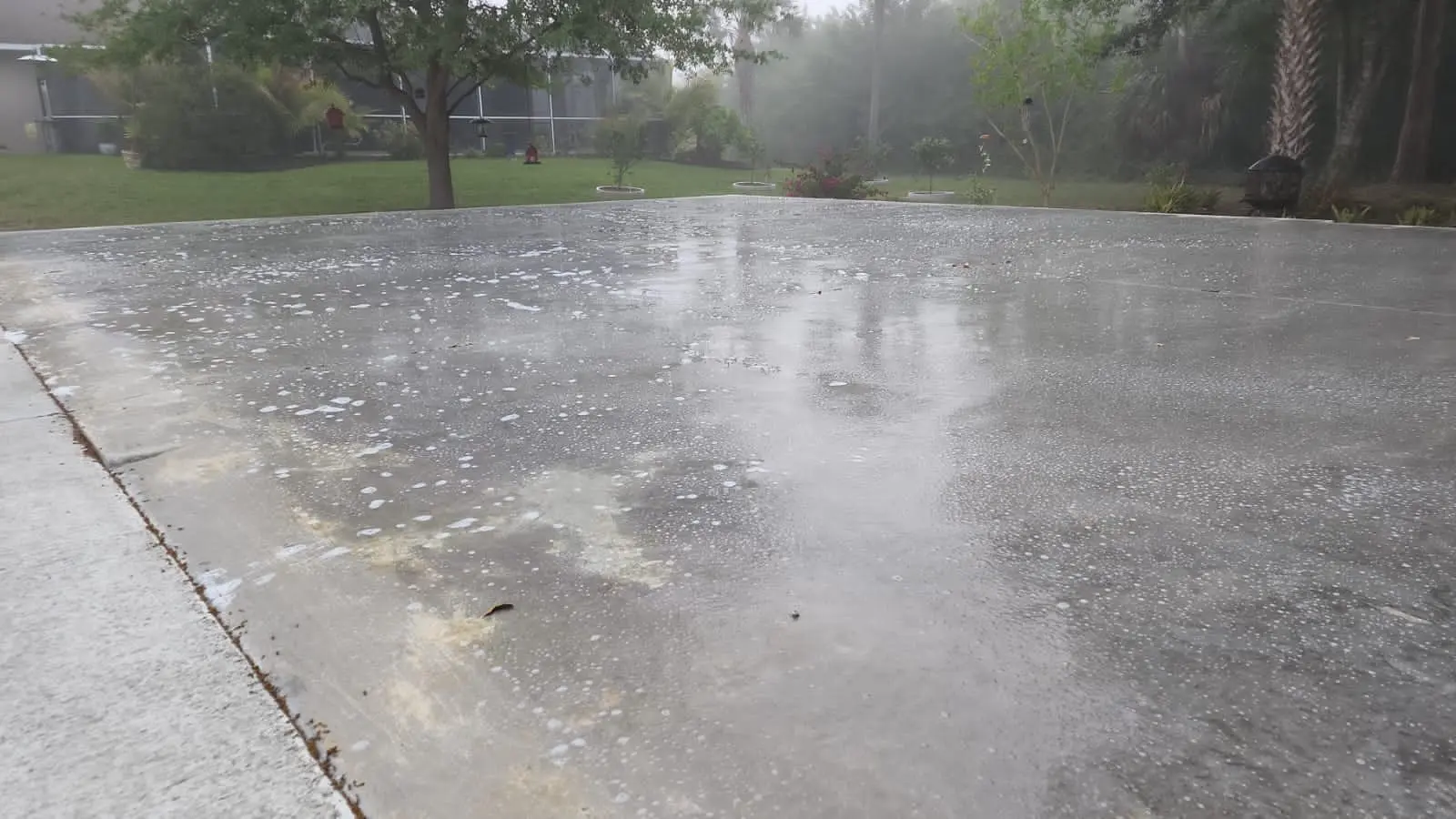
The Result: This causes significant differential settlement, often mistaken for sinkholes. It manifests as stair-step cracks in masonry, separating pool decks, and sinking driveways.
Structural Engineering Cape Coral
Foundation Stabilization on Fill Soil
Standard shallow foundations often fail on Cape Coral's "made land" due to the uncompacted fill described above.
Diagnosis: We use Standard Penetration Tests (SPT) to identify loose zones and buried organic debris under your foundation.
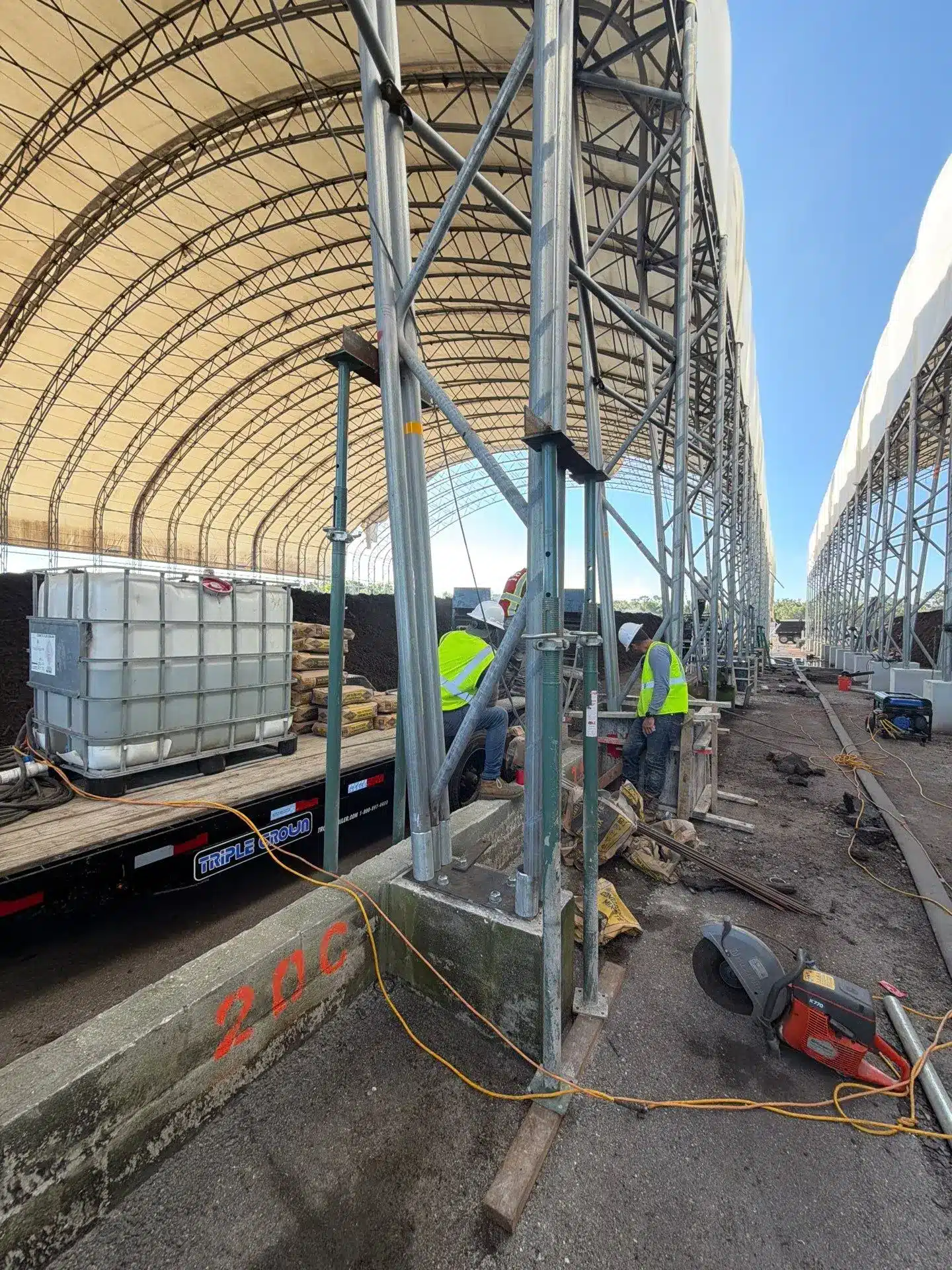
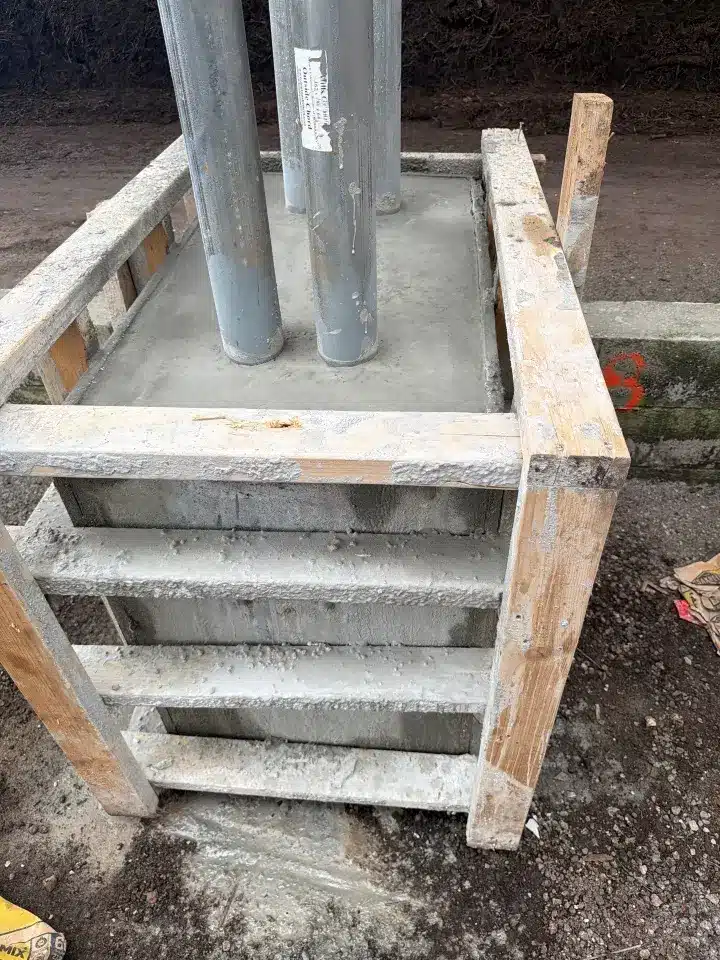
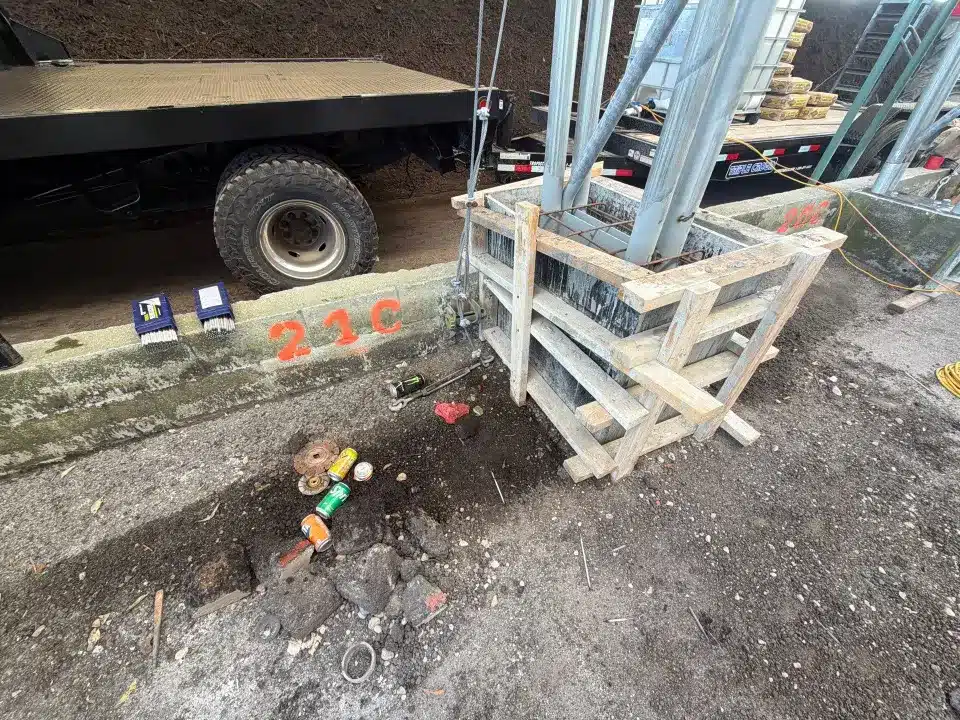
The Solution: We utilize Helical Piles to bypass these decomposing layers. The piles are screwed into the ground until they reach a competent stratum (limestone or dense sand). We rely on the torque-to-capacity correlation to verify that every pile can support the load of your home before we pour concrete.
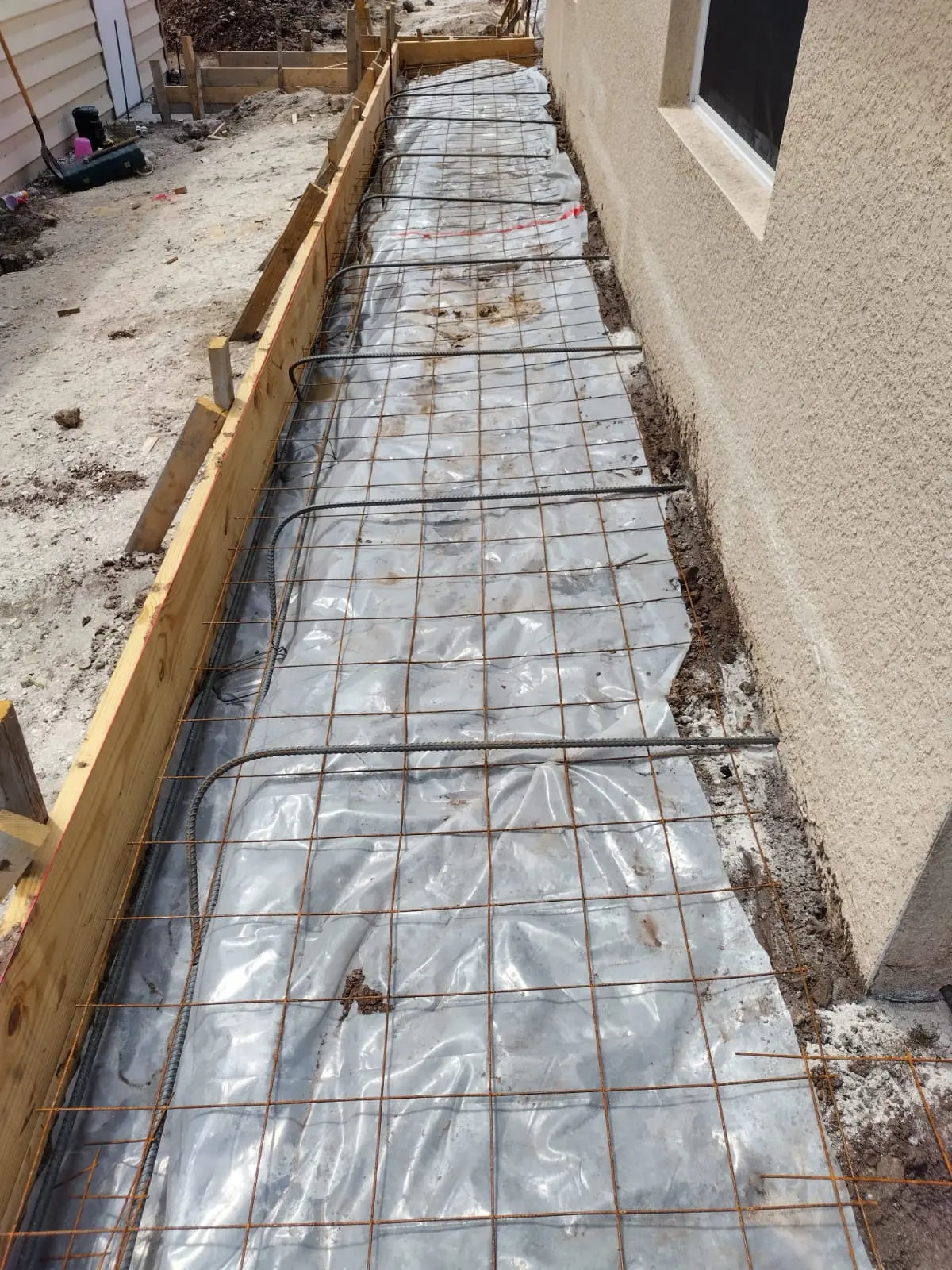
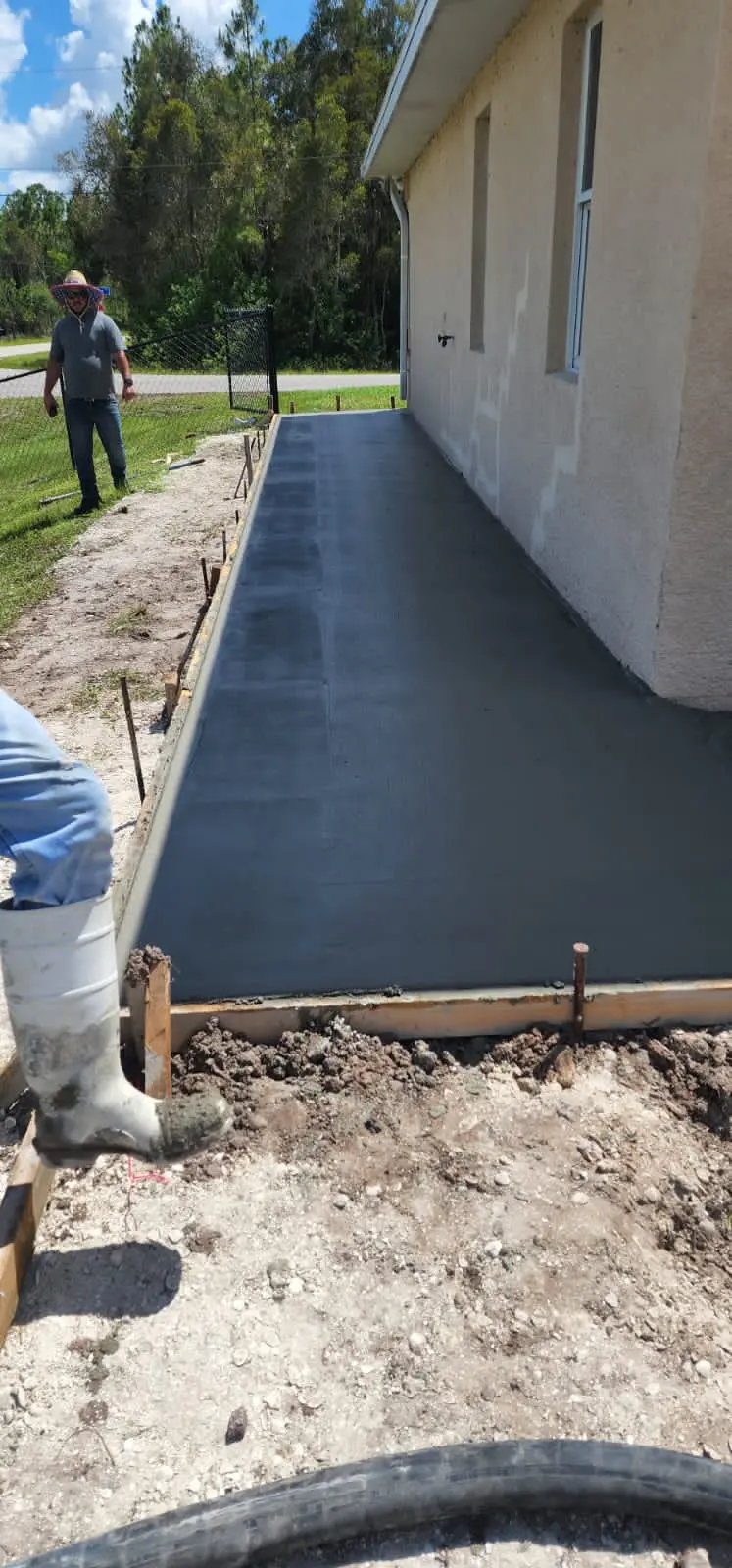
The artificial nature of Cape Coral soils makes density testing critical for all concrete work, from driveways to foundations.
Compaction Testing: We utilize nuclear density gauges to verify soil compaction against the AASHTO T-180 (Modified Proctor) standard. We require 95% to 98% relative density under slabs and driveways to prevent future consolidation and cracking.
The “12-Inch Fill Rule”: To prevent drainage disputes in Special Flood Hazard Areas, we strictly adhere to the City’s limit of adding no more than 12 inches of fill above existing grade without a specialized drainage plan.
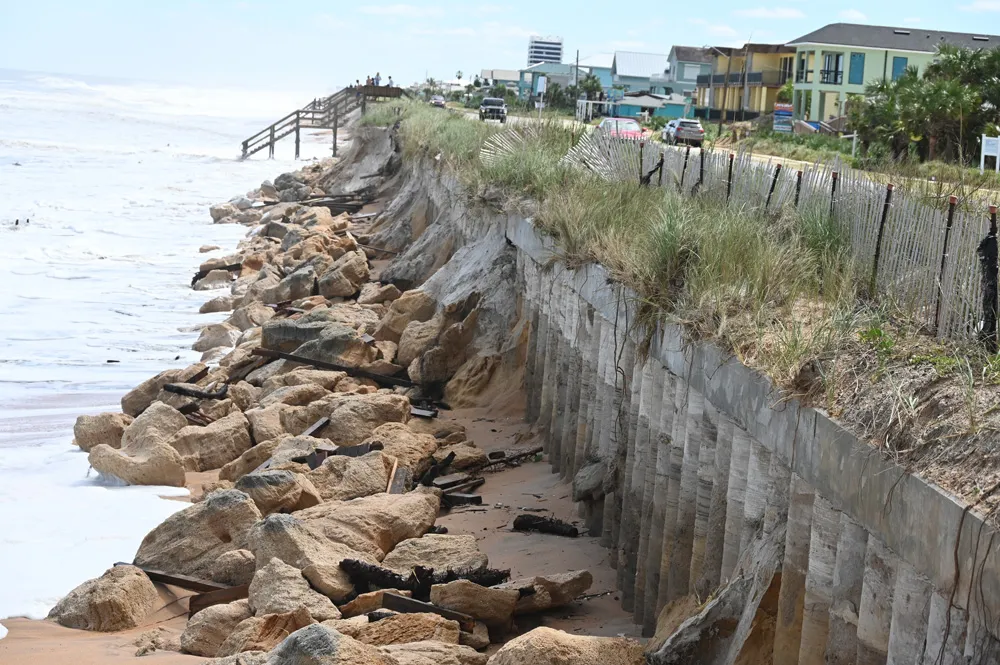
The structural integrity of your property depends on the stability of your marine containment. We adhere strictly to the City of Cape Coral’s H-Series Engineering Design Standards.
The Deadman-Tieback System: We engineer the system to balance active earth pressure (pushing the wall out) with passive earth pressure (holding the anchor). We verify the spacing of tie-rods (Max 10′ O.C.) to ensure the system acts as a unified structural element.
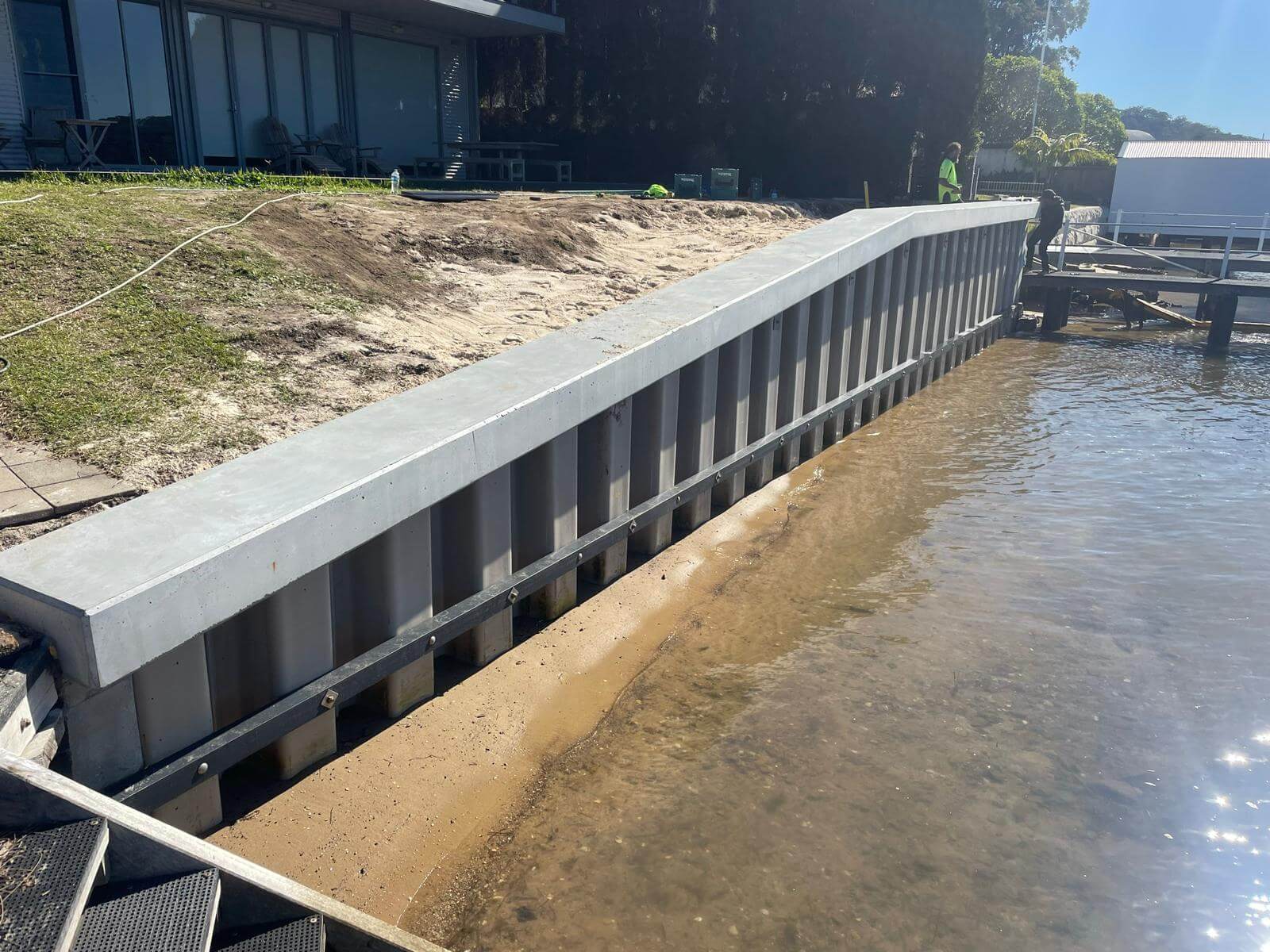
Vinyl Sheet Piling (Sheet H-3): As concrete walls age and spall due to chloride attack, we install vinyl piling alternatives. We ensure the vinyl extends a minimum of 4 inches into the concrete cap to transfer shear forces.
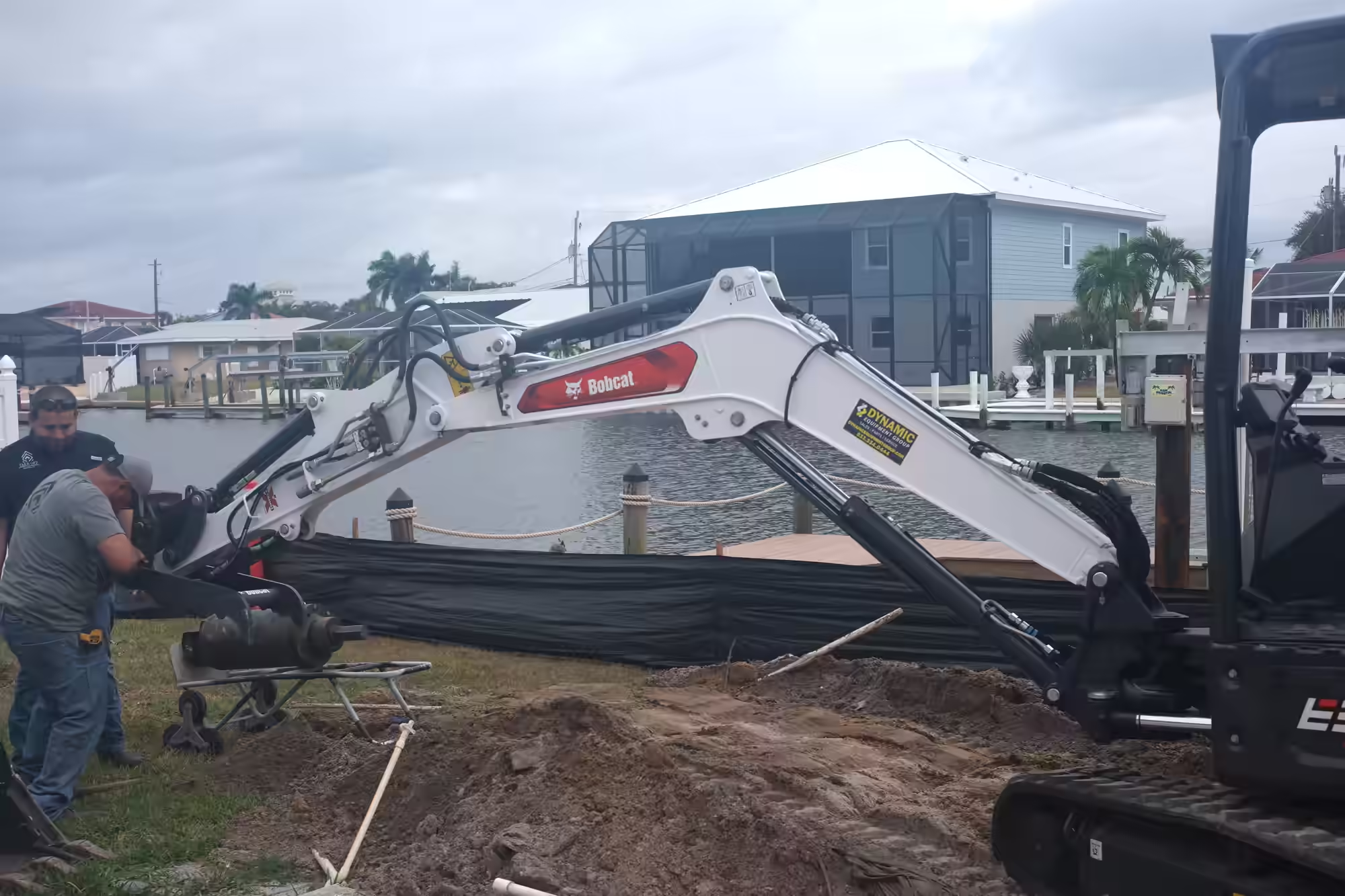
Turbidity Control: We deploy floating turbidity screens to contain sediment during jetting and backfilling, complying with the City’s strict limit of 20 NTU above background levels.
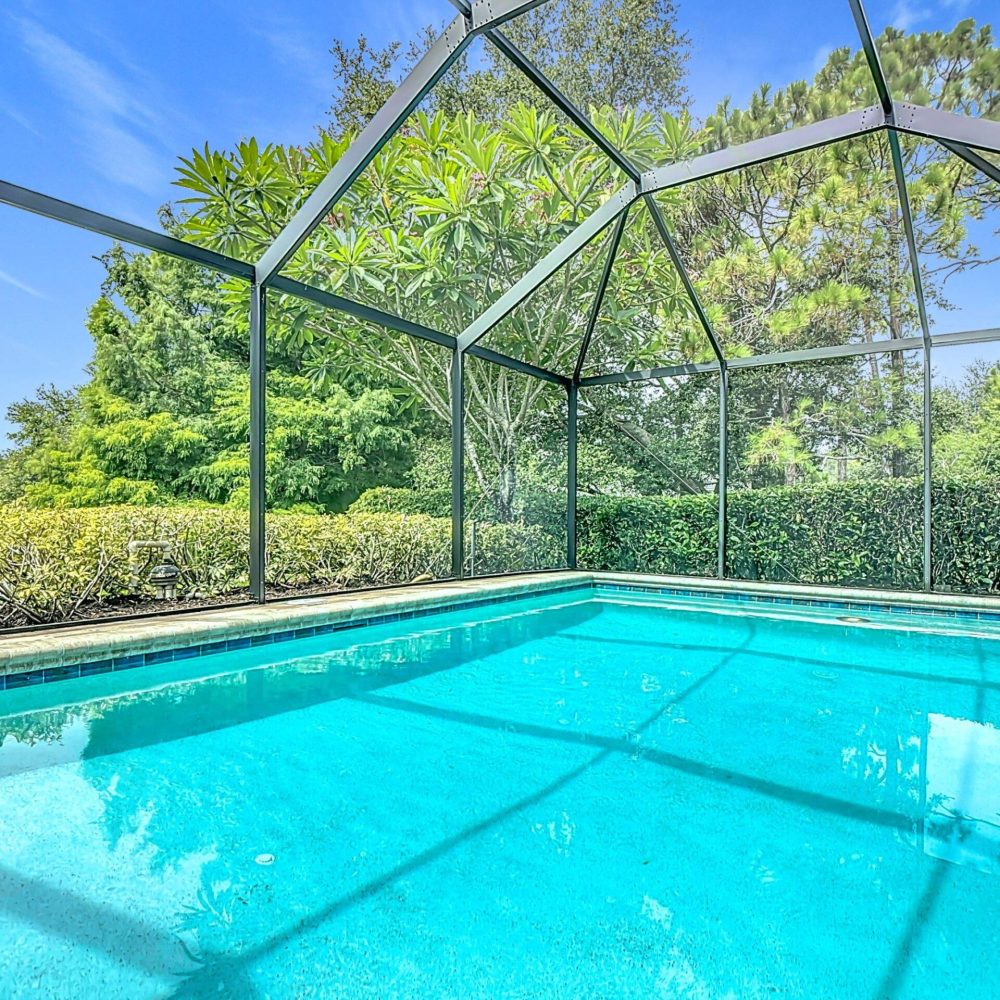
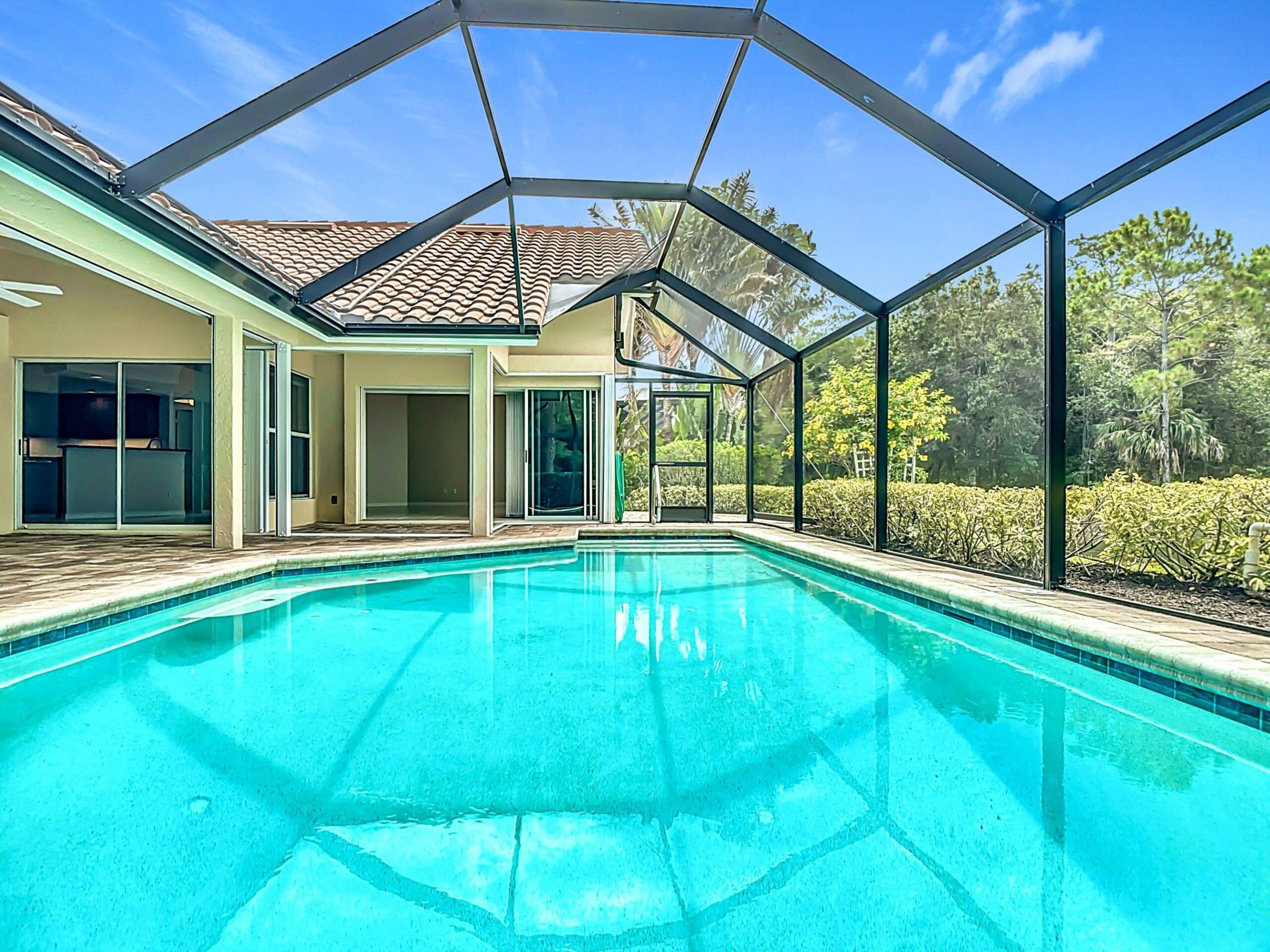
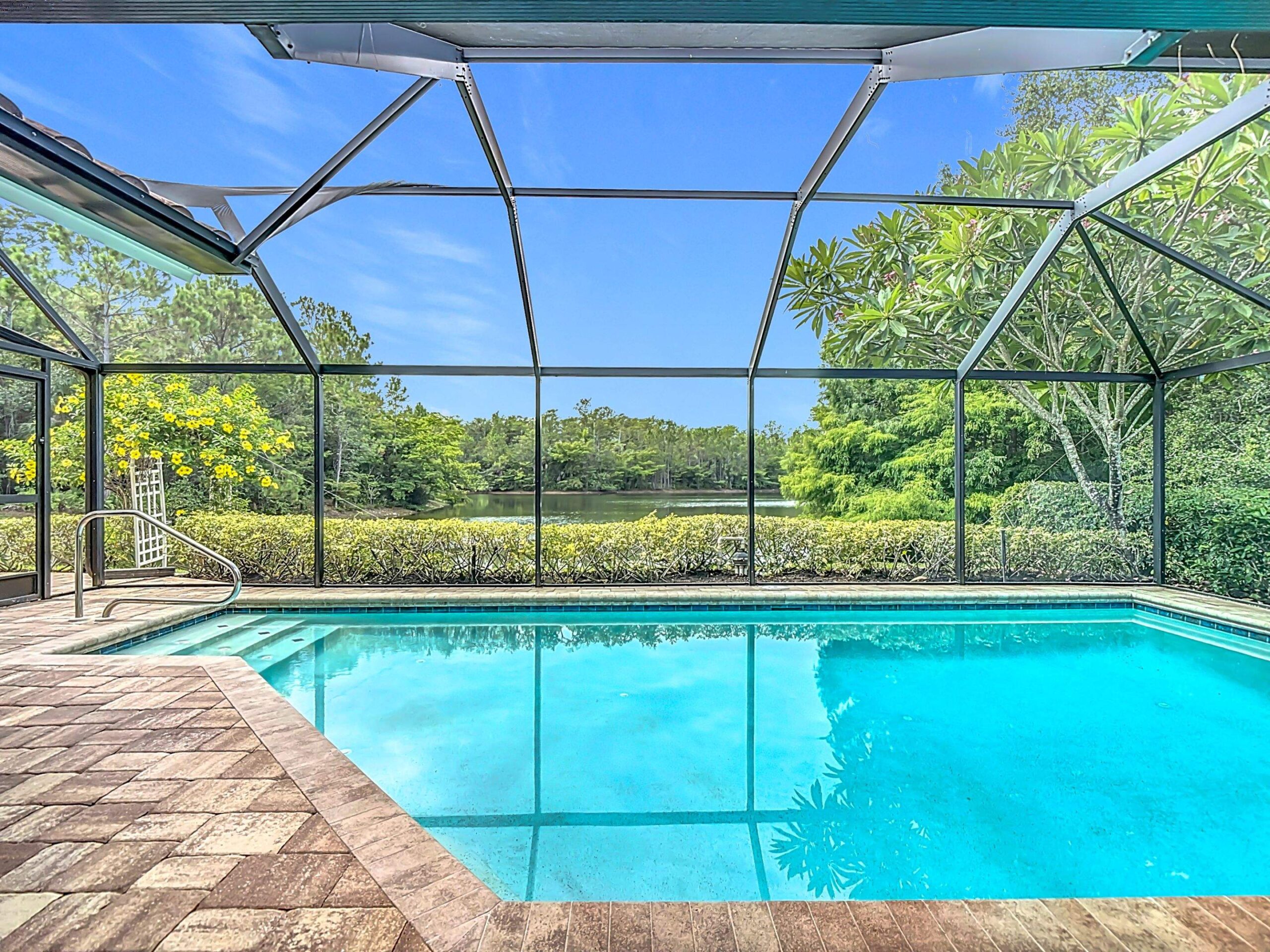
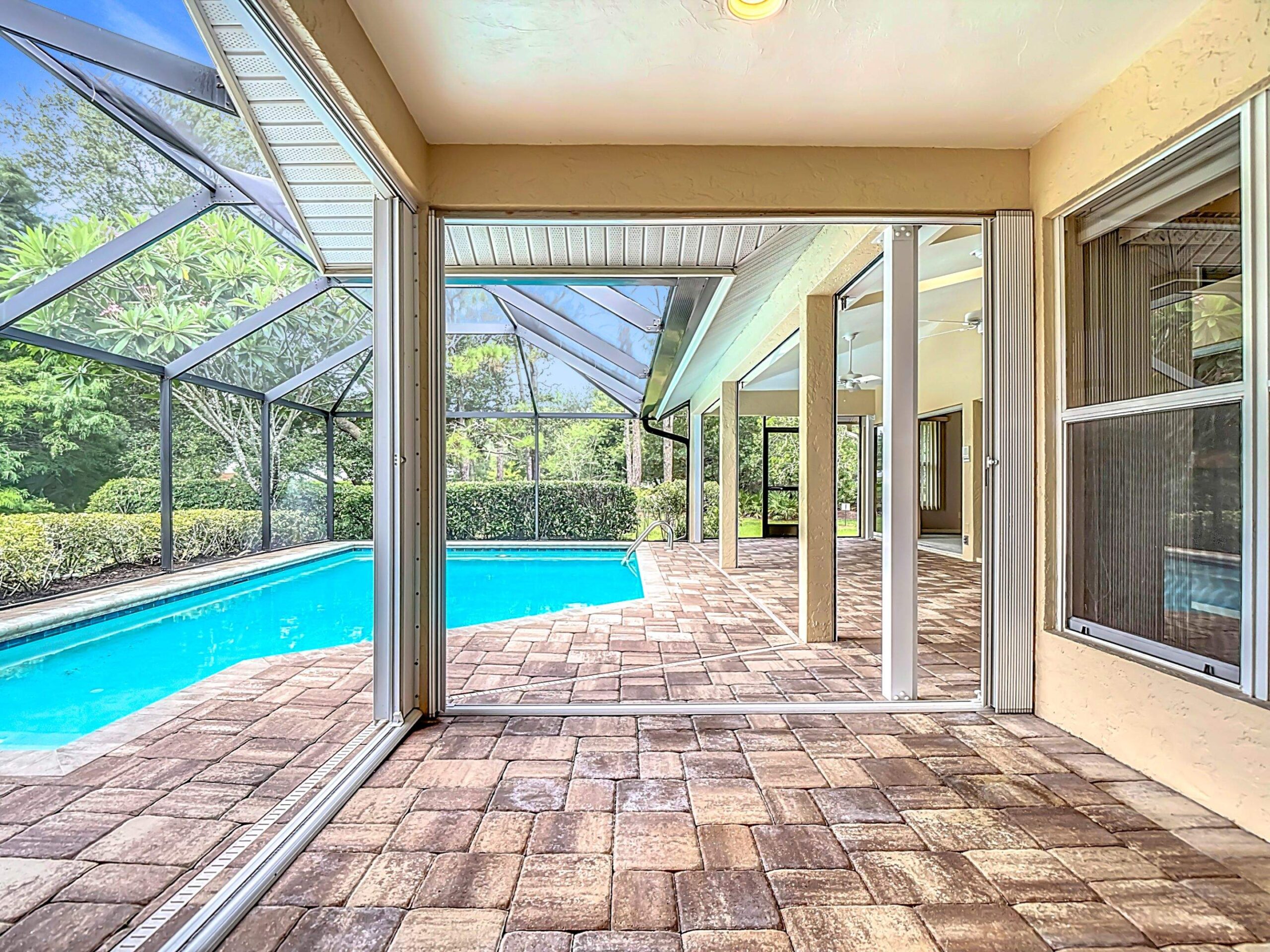
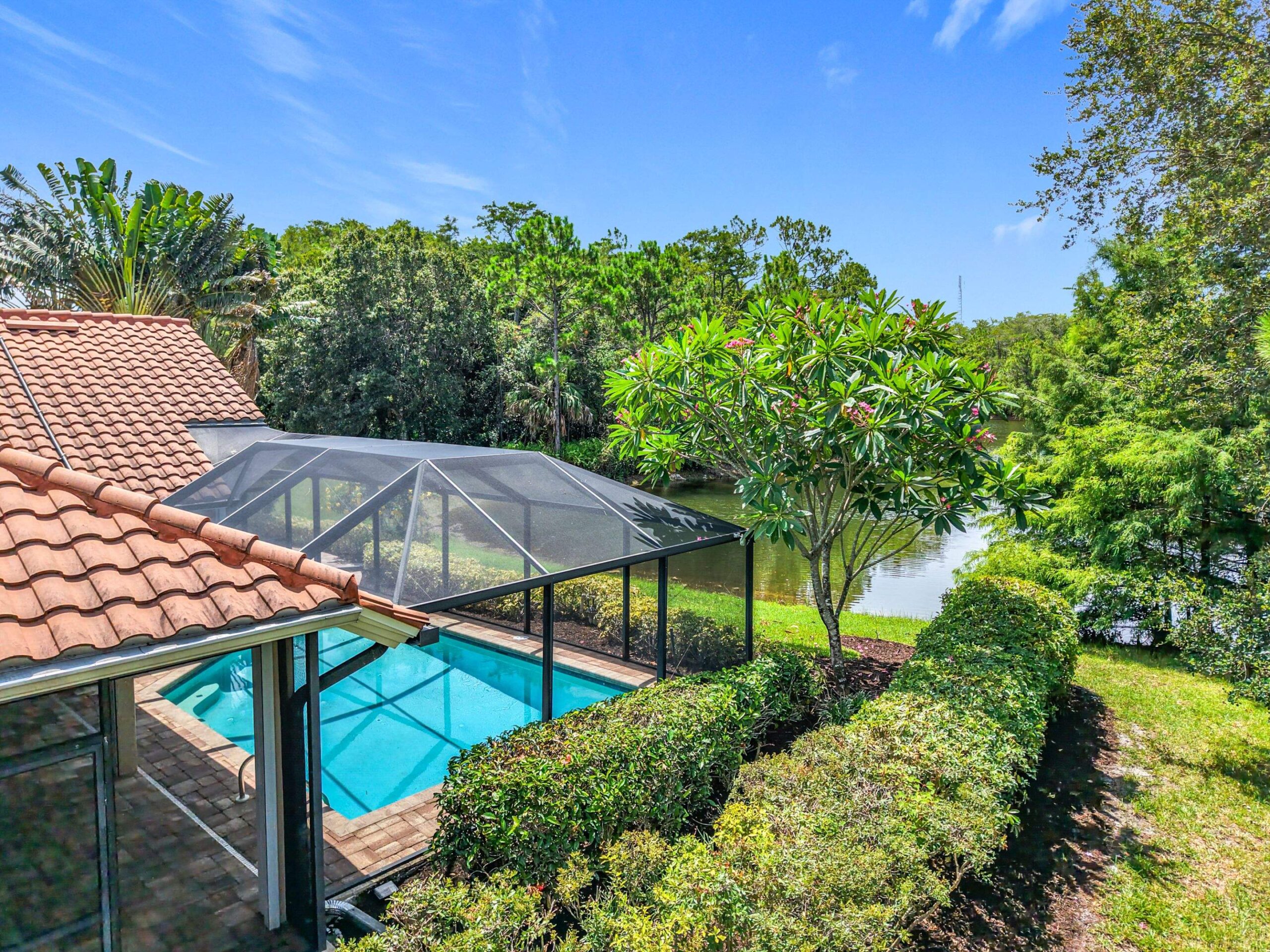
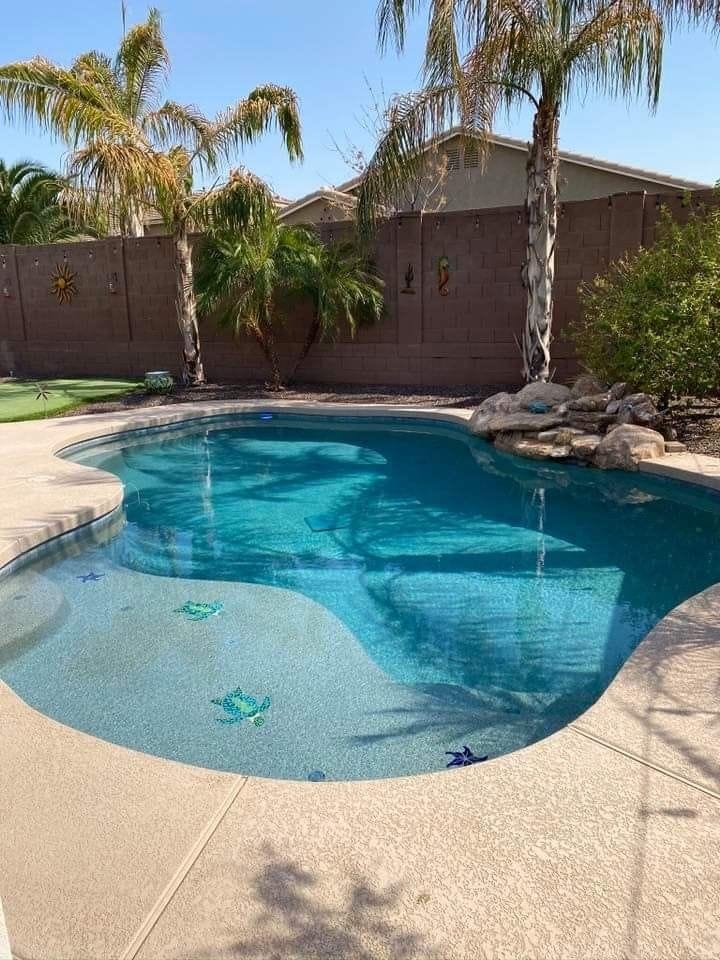
Building a pool in Cape Coral requires navigating strict biological regulations regarding the Florida Burrowing Owl.
Buffer Zones: We map the site to identify burrows. We strictly enforce the 10-foot protection radius during non-nesting season and the 33-foot radius during nesting season (Feb 15 – July 10).
Hydrostatic Relief: Because Cape Coral is a canal city with a high water table, we install hydrostatic relief valves in every pool shell to prevent “popping” (floating) when the pool is emptied for maintenance.
Cape Coral’s extensive canal system brings flood risks directly to your back door.
We install protection systems for Zone AE properties.
Dry Floodproofing: We seal the building envelope to prevent inundation during storm surges.
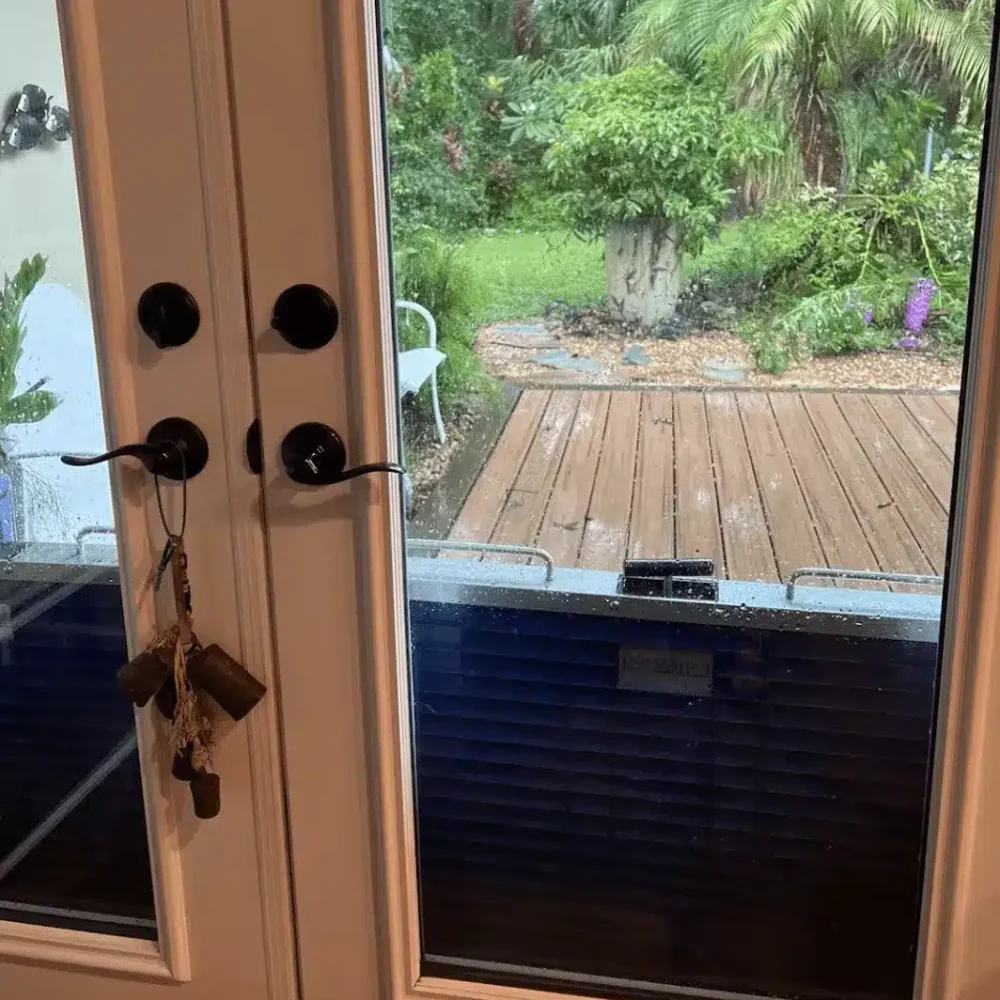
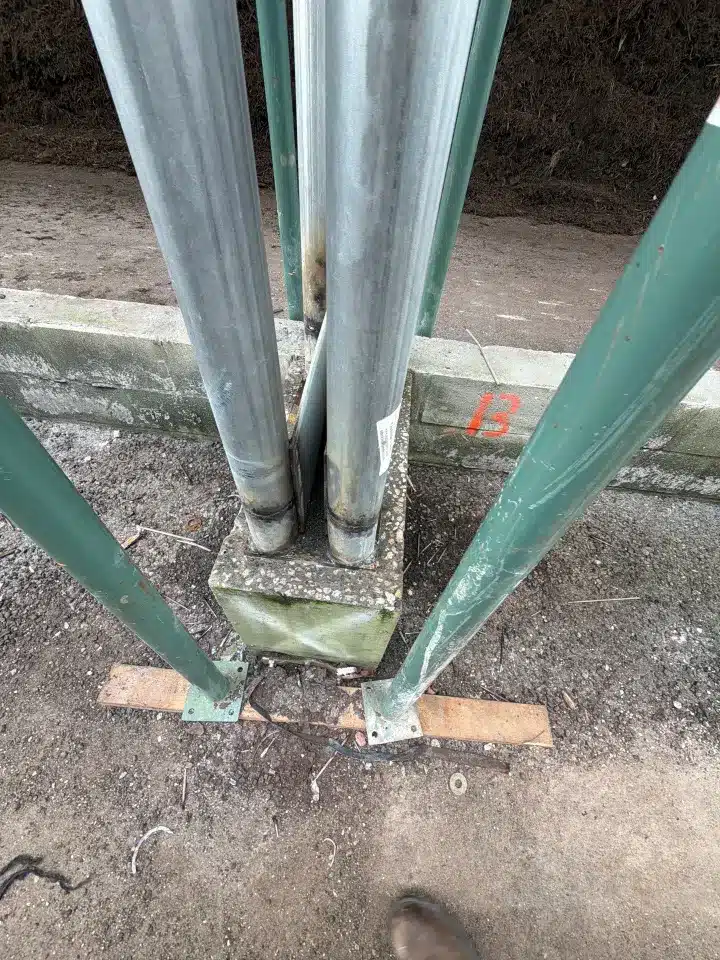
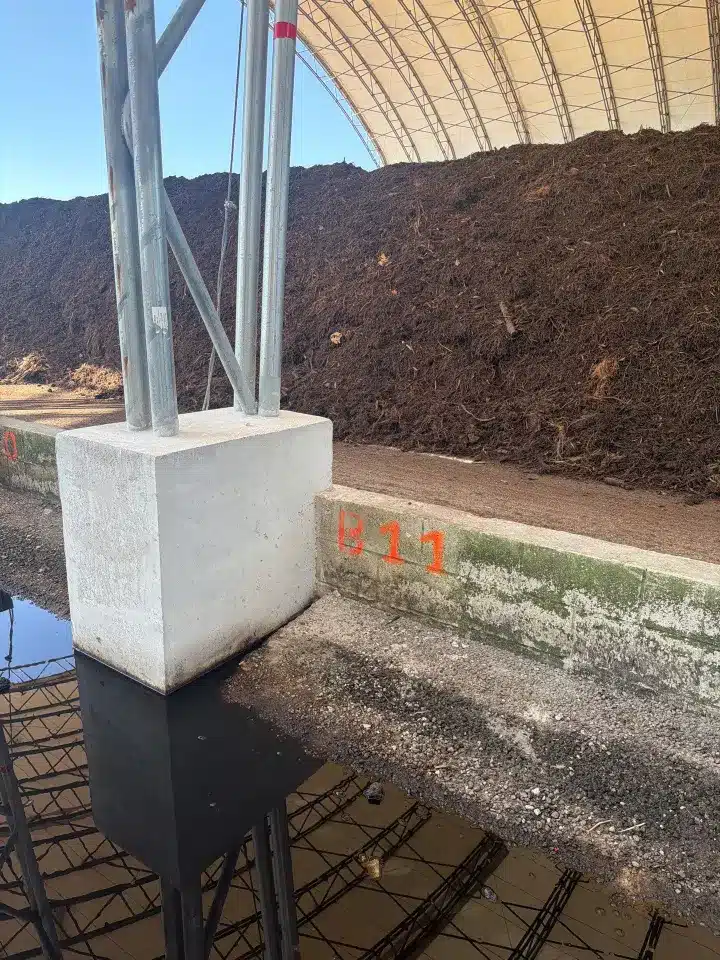
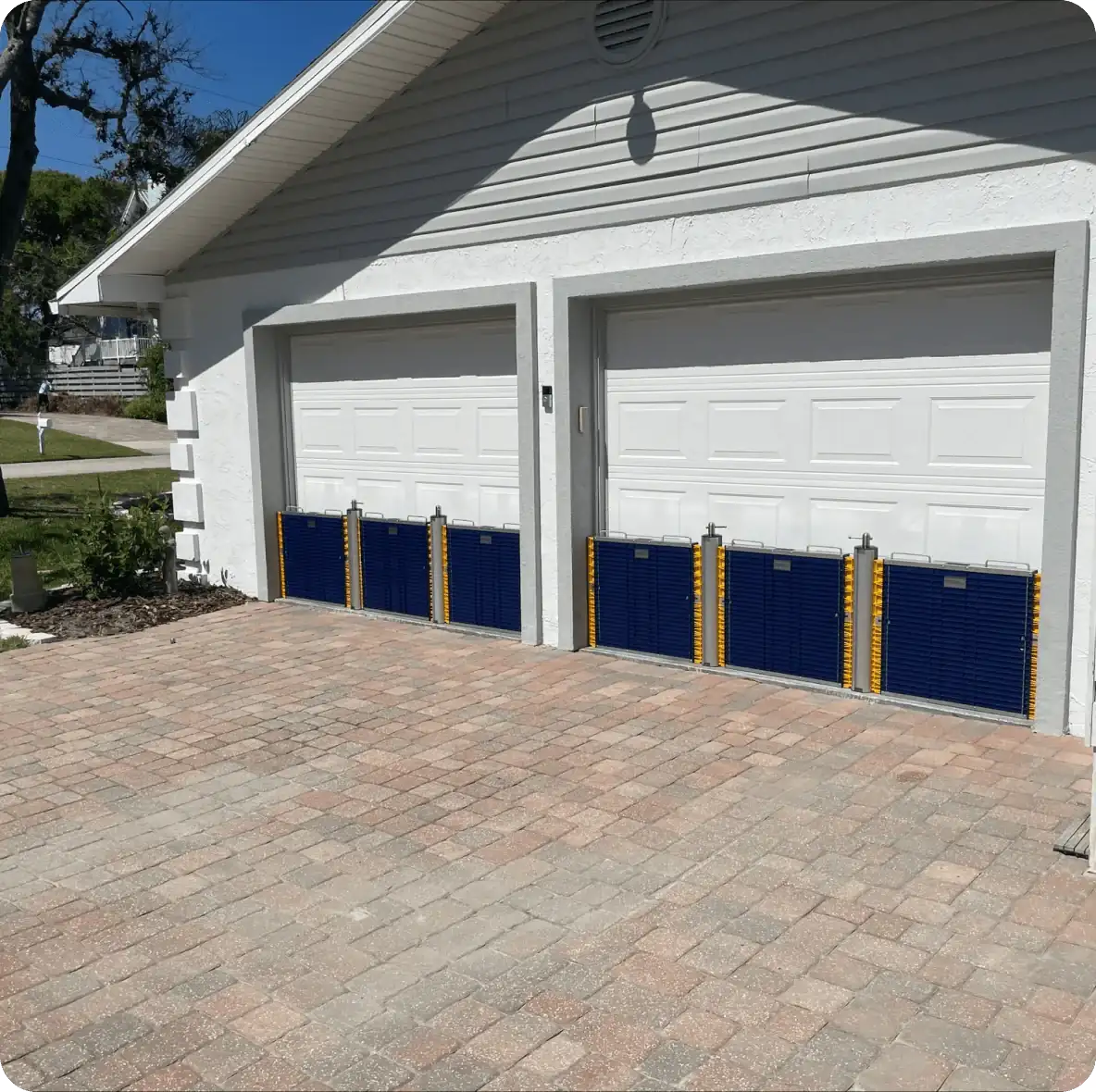
Canal Surge: We install rapid-deployment barriers to seal entry points against rising canal waters, helping you avoid the extensive costs associated with flood damage restoration.
Thank You Alex! After the roofer neglected to pull permits and walked off with $50,000.00 you agreed to finish the project. Most of the work that was done had to be redone.Then there were the times you personally went downtown to Bldg & Zoning to straighten out prior snafu’s.Thank You & Good Luck in all your future endeavors.
After reaching out to five different concrete companies to get a slab for a shed, I chose Take Off Construction. They were excellent to deal with in all phases of the project. Excellent communication and stuck exactly to the timeline that was given to me. I highly recommend Take Off Construction. Thank you for a job well done!
We used Take off construction to install flood wall barriers for our home. The work was done by professional workers who did a great job. We had pretty good contact with the Aldo who was on site a couple times. Thank you for being so easy to work with. Jim and Deb Thirkelson
I recently hired Take Off Construction Management and we couldnt be happier with the results. The quality of work was excellent, they took care of the parts of the project that needed follow up with the permitting office of the county. I highly recomend Take Off Construction Management.
Showed up prepared to work. Did an excellent job fulfilling my request. Extremely neat, organized and polite crew. Highly recommended. I will use them again if needed.
The team at Take Off construction were able to do an outstanding job supplying me with an engineering report for a new patent pending pipe support product. It was the key to safely begin fabrication and distribution.I highly recommend them and look foward to using their services again in the future.
The Take Off team expertly prepared us for storm season. They supplied us with the Dam Easy storm barriers and tweaked all of our entry ways , garage door and front/back entry doors to perfectly receive/fit the barriers. We’ve tested them with a hose and they’re super tight and work perfectly. Cheers guys!
The team at Take Off Construction Management is phenomenal to work with. They were extremely competitive on pricing with service that surpassed expectations. Extremely easy people to work with. Every milestone was hit early and the project as a whole was finished far before I expected. Can not recommend them enough.
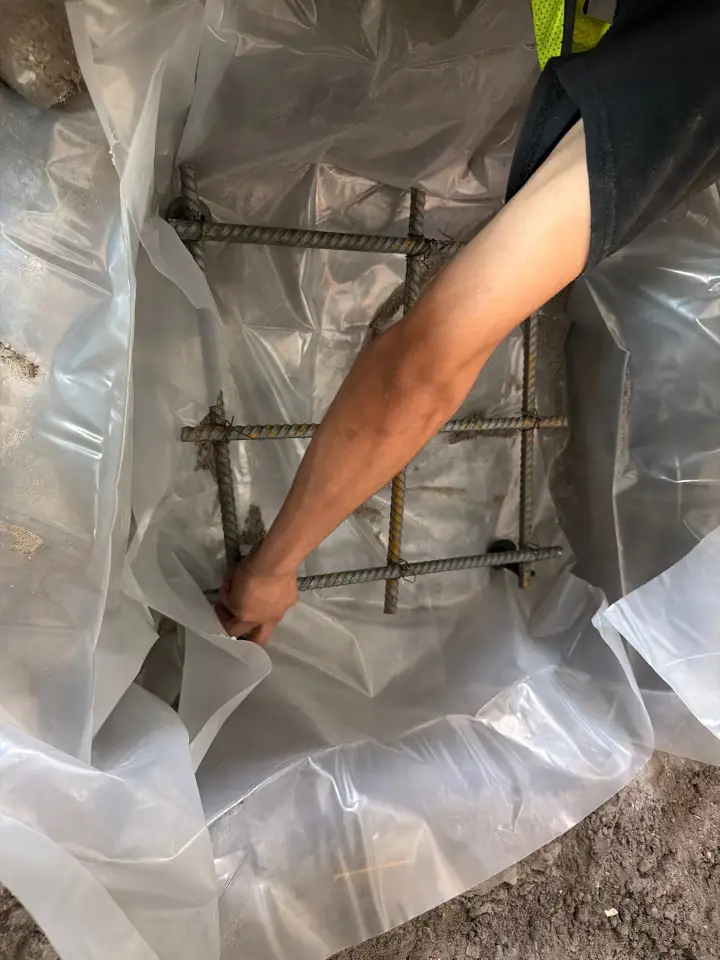
I had water damage in my house from Hurricanes Helene and Milton. Raising my house was out of the question, so I decided to look at flood barriers. I did a websearch and identified 3 possible choices. Damn Easy showed demos on installation and testing. The placement and set up of barriers definitely looked like something I could handle by myself. I did not want to do the concrete work and post installations and asked Damn Easy for help. Damn Easy sent me the name of a local contractor (Take Off Construction Management) that could do the installation. Take Off contacted me and set up an appointment. The gentlemen knew the product well and we decided on 4 locations. Before I signed the contract, I checked 3 references. Each reference gave me very positive feedback. I signed the contract and the project was a go. The construction crew came, in the rain mind you, and built the frames for the concrete work. They were very professional and returned the next day to pour the concrete. The barriers were ordered and delivered to my home. Take Off secured the shipment and returned in a few days to complete the installation. The barriers installation was completed in one one day. The members of the construction crew showed me how to install the barriers and posts, remove and store the barriers, show how to care for the seals, etc. I am so pleased with Take Off Construction Management and it’s employees. The whole project took about 2.5 weeks.
I hired Take Off Construction to finish the construction of a 10′ X 20′ enclosed porch that replaced a screen room destroyed by hurricane Ian. They replaced a contractor that was not adhering to FL building code and had made many mistakes. Take Off Const. took the room down to the studs and rebuilt it properly. Scheduled work was done promptly and professionally. Their work passed all Lee Co. inspections on the first visit. I highly recommend them.
They showed up on time, were clean, organized, and finished the job faster than I expected. I honestly felt like I could finally rest because I did not have to be on top of everything. They took care of it for me.
Take Off Construction Management Office for Cape Coral
+1 (239) 610 3321
alejandro@takeoffcm.com
502 NE 25th Ave, Cape Coral, FL, 33909
Frequently Asked Questions
Do I need a permit to replace my seawall cap?
Yes. The City of Cape Coral requires a permit for all structural marine repairs, including cap replacement and tie-back installation.
What is a "toe waler"?
It is a continuous concrete beam installed at the bottom of a vinyl seawall (at the mudline) to prevent the flexible sheets from rotating outward due to soil pressure.
Can I build a pool if I have an owl burrow in my yard?
Yes, but you must maintain the required buffer zone. If the burrow is in the footprint of the pool, you must apply for a permit from the FWC to collapse the burrow (only during non-nesting season) or mitigate it.
Navigate the Cape Coral Building Code
Don’t let environmental regulations or soil issues stop your project. Work with engineers who understand the H-Series standards.