Fort Myers presents a dual engineering challenge: preserving historic masonry in the River District and stabilizing new construction on organic riverine soils. We navigate Historic Preservation Commission (HPC) mandates and the geotechnical realities of the Caloosahatchee basin.
The Caloosahatchee River corridor is geologically distinct from the coast. It is lined with deep deposits of peat and organic silt, locally known as “muck.” These soils are hydro-plastic and highly compressible.
The Problem: Peat exhibits “creep” behavior, compressing over decades. Constructing a standard slab-on-grade over muck leads to massive settlement as the organic material decomposes.
The Solution: We implement deep foundation systems that bypass these organic layers entirely. For shallower deposits, we utilize “demucking”—excavating the organic soil entirely and replacing it with clean, compacted structural fill to create a stable pad.
Structural Engineering Fort Myers
Historic Retrofitting & Deep Foundations
Renovating a home in Dean Park, Edison Park, or the downtown district requires a delicate balance of preservation and modern engineering.
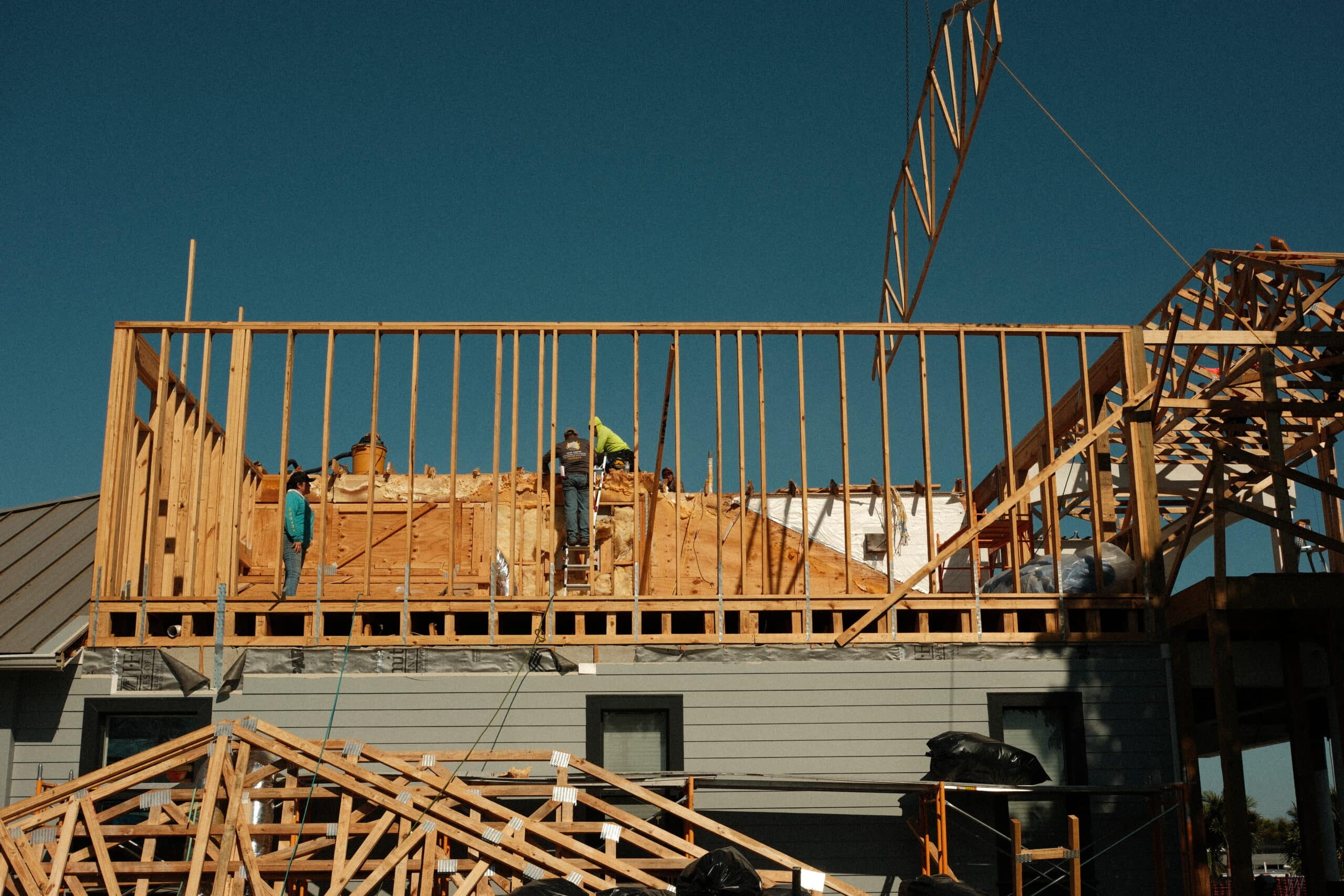
Load Path Management: When modernizing historic interiors by removing load-bearing walls, we insert steel beams (W-flanges) or LVL headers.
Helical Piles: Since historic foundations are often shallow brick piers, we underpin specific point loads with helical piles to prevent sinking, all while shoring the fragile historic shell.
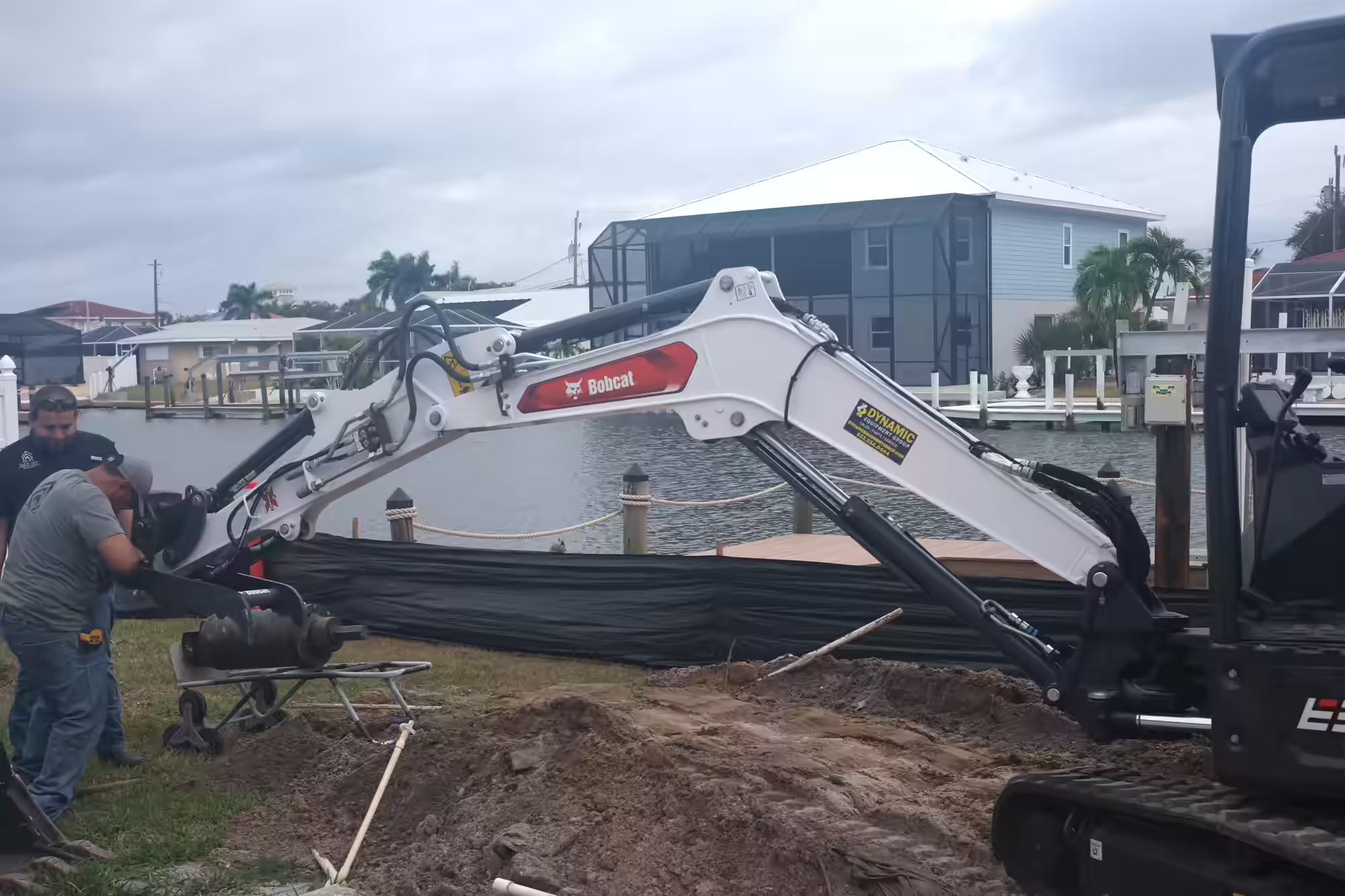
Auger Cast Piles: For new construction near historic buildings, we use low-vibration auger cast piles to reach stable limestone strata without damaging nearby structures.
Low-lying areas near the river are subject to storm surge and seasonal flooding.
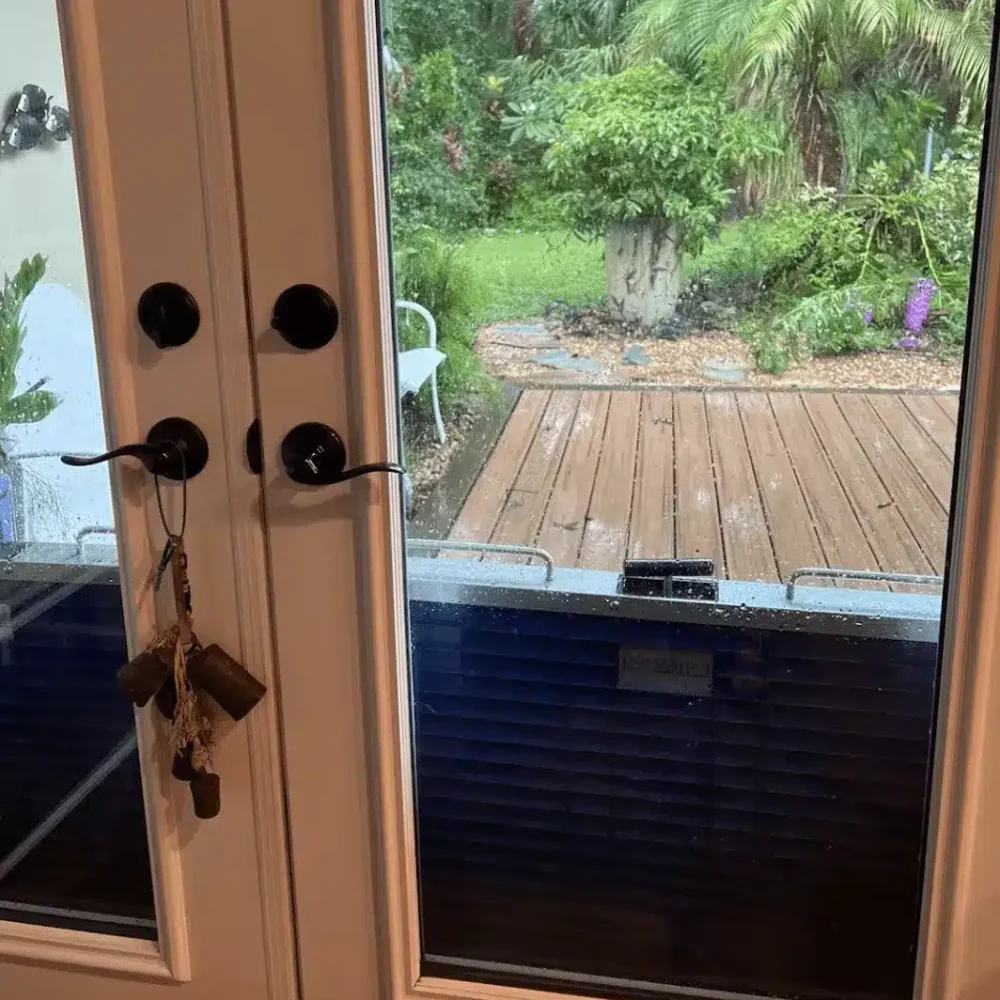
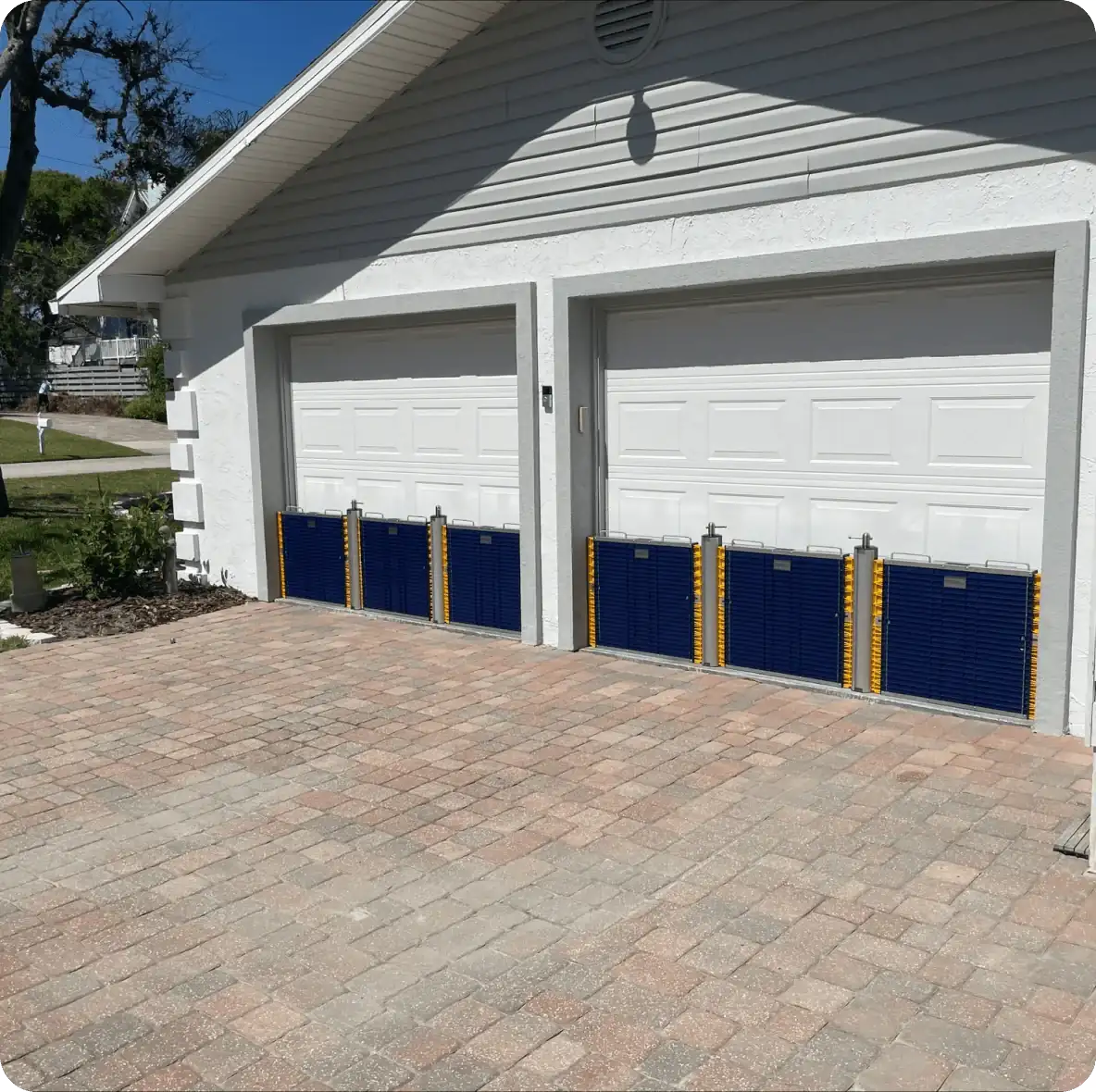
Dry Floodproofing: We install flood barriers on historic commercial and residential properties to prevent water intrusion without permanently altering the historic façade.
Deployment: Our barriers are removable, ensuring compliance with historic aesthetic standards when not in use.
Thank You Alex! After the roofer neglected to pull permits and walked off with $50,000.00 you agreed to finish the project. Most of the work that was done had to be redone.Then there were the times you personally went downtown to Bldg & Zoning to straighten out prior snafu’s.Thank You & Good Luck in all your future endeavors.
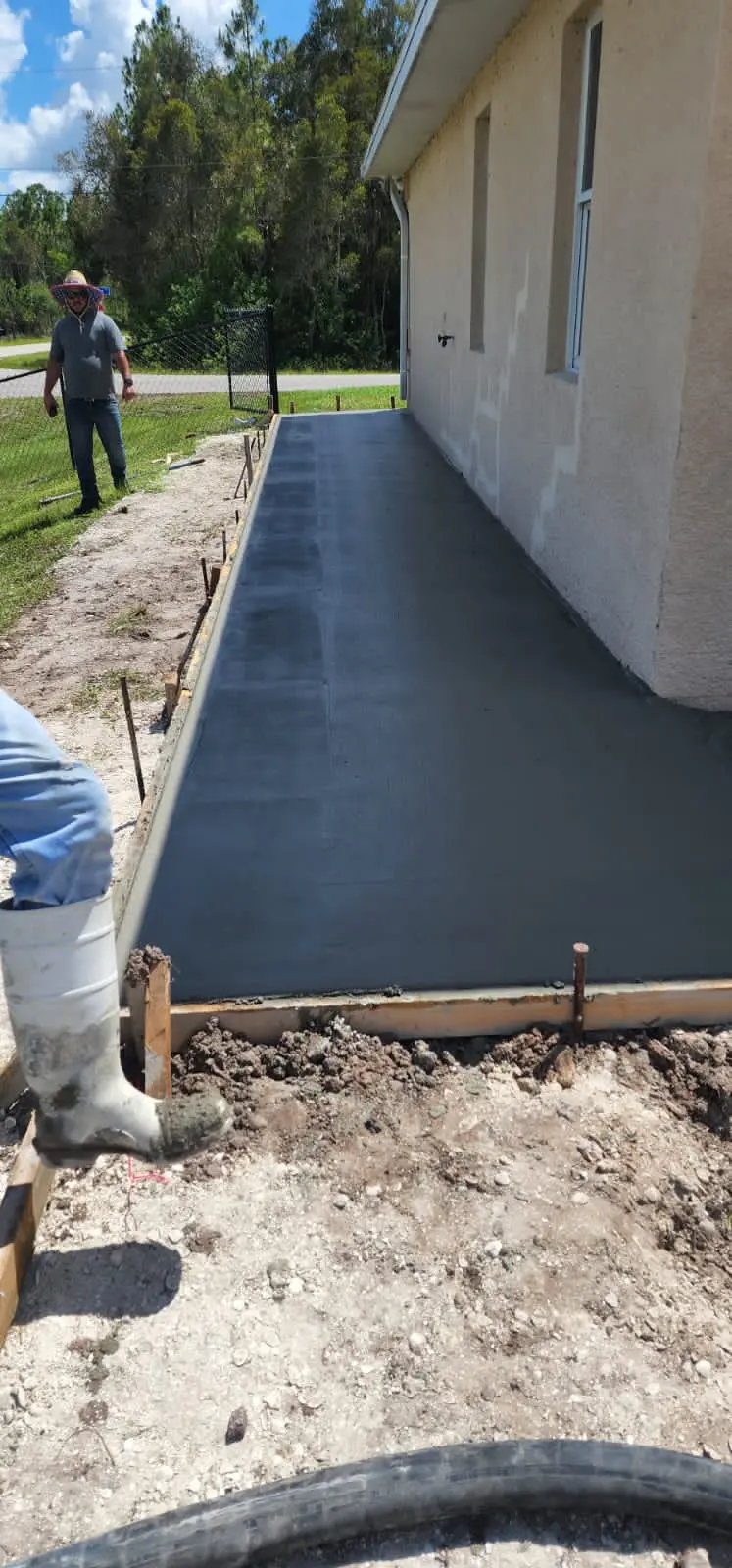
After reaching out to five different concrete companies to get a slab for a shed, I chose Take Off Construction. They were excellent to deal with in all phases of the project. Excellent communication and stuck exactly to the timeline that was given to me. I highly recommend Take Off Construction. Thank you for a job well done!
We used Take off construction to install flood wall barriers for our home. The work was done by professional workers who did a great job. We had pretty good contact with the Aldo who was on site a couple times. Thank you for being so easy to work with. Jim and Deb Thirkelson
I recently hired Take Off Construction Management and we couldnt be happier with the results. The quality of work was excellent, they took care of the parts of the project that needed follow up with the permitting office of the county. I highly recomend Take Off Construction Management.
Showed up prepared to work. Did an excellent job fulfilling my request. Extremely neat, organized and polite crew. Highly recommended. I will use them again if needed.
The team at Take Off construction were able to do an outstanding job supplying me with an engineering report for a new patent pending pipe support product. It was the key to safely begin fabrication and distribution.I highly recommend them and look foward to using their services again in the future.
The Take Off team expertly prepared us for storm season. They supplied us with the Dam Easy storm barriers and tweaked all of our entry ways , garage door and front/back entry doors to perfectly receive/fit the barriers. We’ve tested them with a hose and they’re super tight and work perfectly. Cheers guys!
The team at Take Off Construction Management is phenomenal to work with. They were extremely competitive on pricing with service that surpassed expectations. Extremely easy people to work with. Every milestone was hit early and the project as a whole was finished far before I expected. Can not recommend them enough.
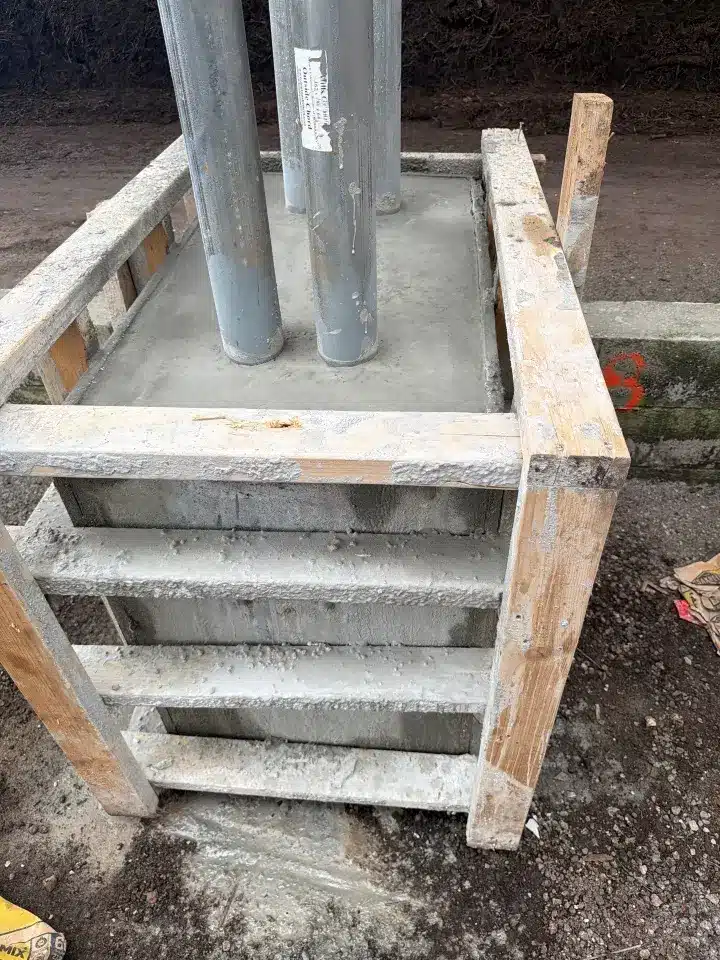
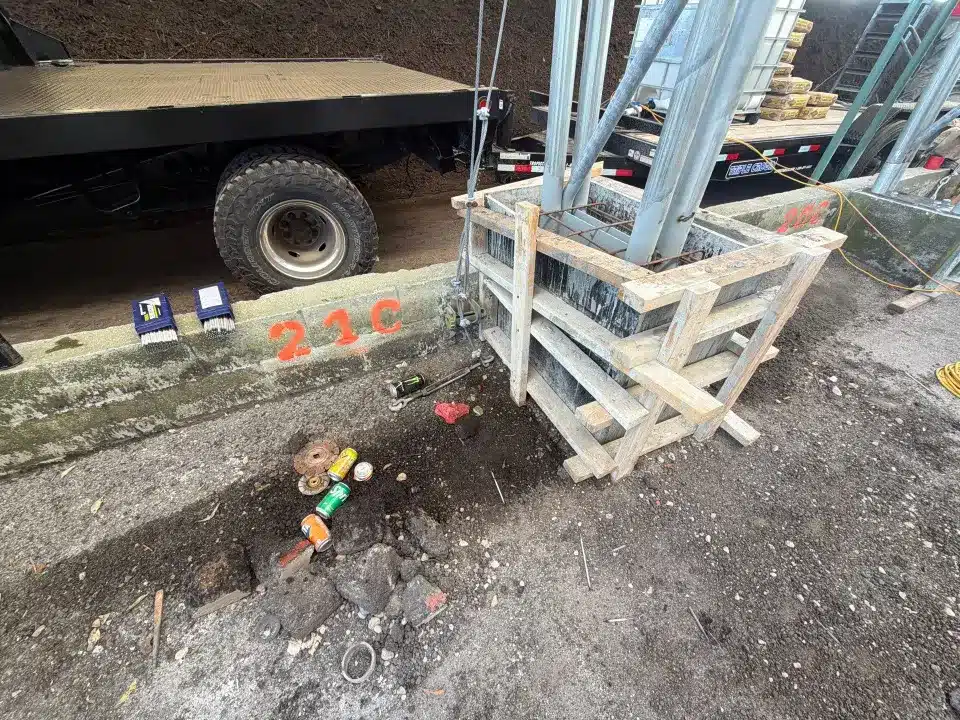
I had water damage in my house from Hurricanes Helene and Milton. Raising my house was out of the question, so I decided to look at flood barriers. I did a websearch and identified 3 possible choices. Damn Easy showed demos on installation and testing. The placement and set up of barriers definitely looked like something I could handle by myself. I did not want to do the concrete work and post installations and asked Damn Easy for help. Damn Easy sent me the name of a local contractor (Take Off Construction Management) that could do the installation. Take Off contacted me and set up an appointment. The gentlemen knew the product well and we decided on 4 locations. Before I signed the contract, I checked 3 references. Each reference gave me very positive feedback. I signed the contract and the project was a go. The construction crew came, in the rain mind you, and built the frames for the concrete work. They were very professional and returned the next day to pour the concrete. The barriers were ordered and delivered to my home. Take Off secured the shipment and returned in a few days to complete the installation. The barriers installation was completed in one one day. The members of the construction crew showed me how to install the barriers and posts, remove and store the barriers, show how to care for the seals, etc. I am so pleased with Take Off Construction Management and it’s employees. The whole project took about 2.5 weeks.
I hired Take Off Construction to finish the construction of a 10′ X 20′ enclosed porch that replaced a screen room destroyed by hurricane Ian. They replaced a contractor that was not adhering to FL building code and had made many mistakes. Take Off Const. took the room down to the studs and rebuilt it properly. Scheduled work was done promptly and professionally. Their work passed all Lee Co. inspections on the first visit. I highly recommend them.
They showed up on time, were clean, organized, and finished the job faster than I expected. I honestly felt like I could finally rest because I did not have to be on top of everything. They took care of it for me.
Take Off Construction Management Office for Fort Myers
+1 (239) 610 3321
alejandro@moccasin-bat-848963.hostingersite.com
502 NE 25th Ave, Cape Coral, FL, 33909
Frequently Asked Questions
What is a Certificate of Review (COR)?
It is a mandatory review by the Historic Preservation Commission for any exterior changes in historic districts. No building permit can be issued without it.
Can I build on "muck" soil?
You cannot build on it, but you can build through it. We use deep foundations or demucking techniques to reach stable soil below the organic layer.
Do I need a permit to replace windows in a historic district?
Yes. The new windows must match the original light pattern and material profile (often wood or aluminum-clad wood) to maintain historical accuracy.
Restore with Confidence
Whether it’s a historic retrofit or a new build on the river, we have the engineering expertise to handle Fort Myers’ unique challenges.